The experience has been amazing because of everything I have learned as someone who doesn't come from a business background.
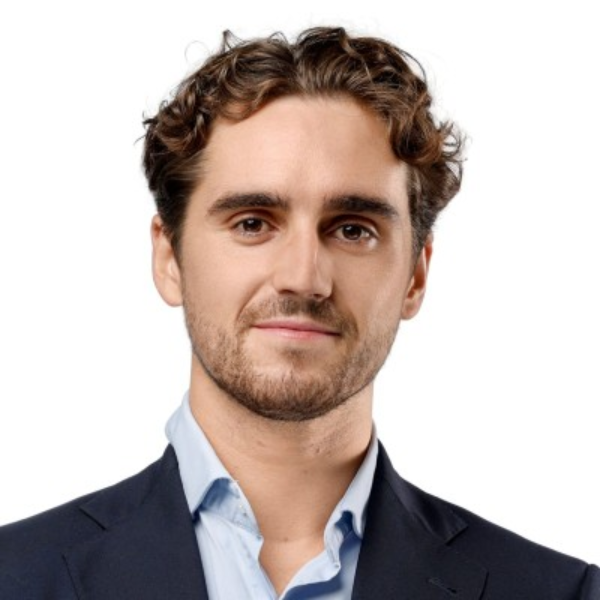
Yago Campos
Starting at the very beginning—for the prospective students out there, especially those from a similar background in Spain—what is the story behind the decision to join the INSEAD MIM?
I am from Spain, and before coming here, I studied a double bachelor’s degree in international relations and communication. During my degree, I realised I actually liked business and wanted to learn how the industry works, specifically consulting. That is why I decided to join the MIM. Overall, the experience has been amazing because of everything I have learned as someone who doesn't come from a business background and, of course, because of the people I have met.
With so many global options available, what specific factors made this MIM stand out over other prestigious programmes?
It was the international exposure that really drew me in. Other wonderful universities exist, but they didn't seem to have the same level of international exposure among classmates or the emphasis on locations like Singapore and study trips. The school also focuses heavily on the profile of the people they admit.
The cohort is full of people who are open-minded, nice, funny and charismatic. Those are the two main reasons: the international focus and the specific assets of the people in the programme.
Looking back over the months spent in the programme so far, what has been the most genuine challenge encountered?
The main challenge was the academic part. Without an engineering or business background, everything had to be learned almost from scratch. However, it was rewarding because the learning curve was extremely steep. Another challenge is keeping up with the pace. Between classes, dinners, weekend trips, applications and interviews, it is extremely fast-paced and intense. It is essential to find a personal rhythm.
Given your exceptional GMAT score, it is interesting to hear that the classroom still offers such a significant learning curve. How does the discipline required for a 91st percentile result help you navigate the high energy of the daily curriculum?
It is all about the mindset and the willingness to benefit from the experience. If there is no fear of challenges or putting in the effort, there are endless opportunities to grow. The GMAT score was the result of a lot of work because it was a clear objective to get into the school. It is the same in class now. Studying hard to keep up with the pace has resulted in learning more than I ever imagined. It comes down to how much work someone is willing to put in.
Achieving a score like that is a fantastic milestone. For those currently deep in their study plan, what would you say are the most effective ways to stay focused and manage the workload?
Consistency is the first tip. Exercises should be done from official sources as much as possible because GMAT questions are very hard to replicate otherwise. A good method is to go topic by topic. It is better to master one area before moving to the next. Once the topics are understood and the difficulty level is increased, mock exams can be used to mix everything. With time, the results will come.
There was a recent project regarding the "7 highly successful habits" of students, where the focus for you was on collaboration. In such a high-achieving environment, how does that spirit of collaboration actually manifest?
Collaboration is critical. Having a year of full-time experience in a multinational company in Spain showed that working with very different people is a necessity. Here, that skill is developed further. To benefit from the international exposure, one must be open to collaborating with people who have very different ways of approaching problems and working. Being open-minded helps a student take the most from the experience.
Having experienced both the Fontainebleau and Singapore legs of the journey, how do the "village" vibes of France compare to the energy in Singapore?
Both have been amazing but very different. Fontainebleau feels like a village where everyone lives on campus together. It was an incredible asset for getting to know each other at the start of the year through dinners and parties because everyone was so close. Singapore is more international and a little more overwhelming, but very nice because of the travel and cultural experiences. There have been visits to Chinese and Indian restaurants with members of the cohort. It is a nice end to the experience.
For those back in Spain who are considering an international education but might feel hesitant, what should be the main focus of their application?
It is about leveraging international exposure and showing a lack of fear regarding going abroad. Having studied international relations and lived abroad previously played a big role in the admission process. Showing what those moments provided is a key aspect of the application. Anyone with similar experiences should really use them.
Looking ahead to the "finish line," what is the plan for the next chapter? Is the goal to return to Madrid, or are the horizons broader?
The plan is to go back to Madrid to be near family and friends, though there is an openness to opportunities elsewhere in Europe or even further afield. The focus is on consulting. My career coach was extremely helpful in laying out a strategy and preparing for interviews. The alumni network is also a huge asset to back up that strategy.
If a message could be sent back to August 2025—knowing everything that has happened since—what would the advice be?
The advice would be: "Don't stress so much." It is easy to get carried away by the frenzy of the programme.