Everything is very focused on application. There are many real-world examples and case studies, which makes it easy to connect what we are learning back to practice.
Tijs de Boer
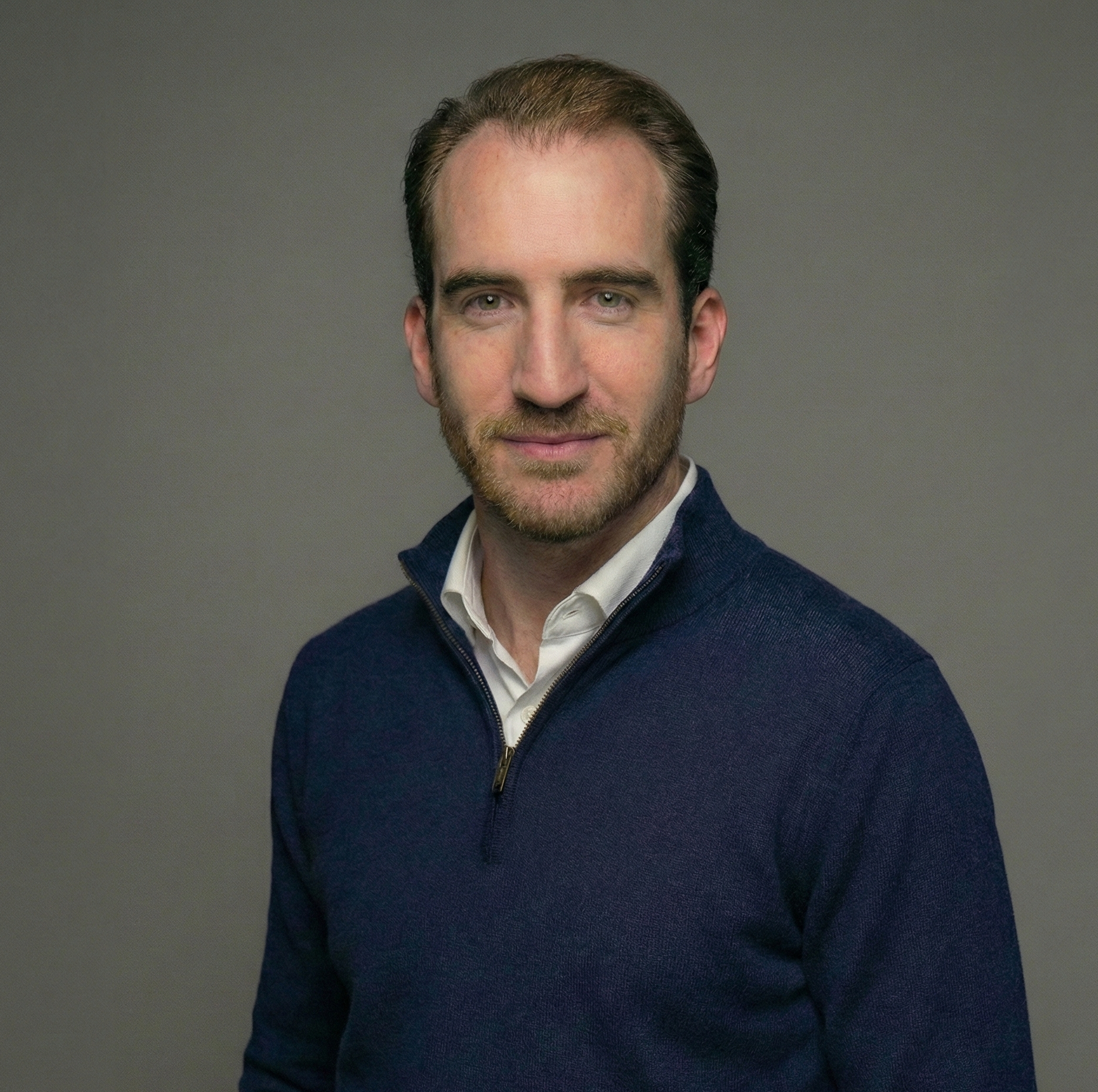
Can you share more about what keeps you busy on a day-to-day basis?
I currently work in a software company, Miro, which is an AI-powered collaboration platform. As Strategic Finance Manager at Miro, I lead a team handling Financial Planning and Analysis (FP&A) for marketing, online sales, and R&D, building financial plans and providing insights that enable leadership to drive performance against targets. On the strategy side, we run high-impact projects to identify opportunities to optimise costs and accelerate growth.
Were you always involved in finance?
No. I actually started with a Master’s in Aerospace Engineering and then worked at a strategy consulting firm for almost five years on growth strategies, due diligence, and reorganisations.
During this period, I realised that finance was where my analytical side and systems thinking could have the most leverage, translating complexity into clear economic choices that shape company direction.
Was it hard transitioning into finance?
The transition was manageable thanks to finance and business minors during my Master’s programme. Without formal finance education, I also had to do a lot of learning on the job.
Coming from an engineering and consulting background has helped me in my finance role today. The engineering background has sharpened my problem-solving capabilities, particularly in how to dissect complex problems and systematically work towards a solution.
From my strategy consulting experience, I gained two particularly valuable skills. The first is the 80/20 approach, focusing on making meaningful impact quickly by solving the right problems at the right level of detail. The second is the ability to quickly immerse myself in new industries and businesses.
What made you want to embark on INSEAD’s EMFin programme?
Around two to three years ago, I started thinking more about where I wanted to head in my career. At that point, I was already in my current finance role and, while I really enjoyed it, I realised that I wanted to deepen the financial rigour behind my strategic decisions. I also saw an opportunity to build a strong network with other finance leaders. That was when I began to seriously look for a suitable programme.
I first heard about INSEAD from people in my previous job who had completed the full-time MBA. I was aware of the school’s reputation and the quality of its programmes. However, I felt there might be too much overlap between the knowledge I had already gained from strategy work and an MBA. I also did not want to take a full break from my career. As a company, we are navigating significant growth and AI-driven change, and I wanted to pursue a programme that would allow me to continue working.
When I found out about EMFin, it was a fairly straightforward decision. The programme offered the type of network I was looking for, had a strong focus on finance, and provided a structure that allowed me to work concurrently.
Were there other schools you were considering?
If you are talking about schools of this calibre offering a part-time finance programme, the options are quite limited. There was one other programme offered by a university here in Amsterdam, where I am based. They have a course that runs once a week over two years. However, in the end, I felt it would be a great opportunity to step out of my daily routine and experience an intensive period of learning with like-minded peers in a different country.
During my search for an executive master’s programme, I also spoke with an INSEAD alumna based in Amsterdam. She told me about the strong connections among peers in the programme. Everyone comes from different backgrounds, nationalities, and industries, yet all share a common finance language. She ultimately convinced me, and I have not regretted my choice so far.
What was the application process for the EMFin programme like?
There were quite a few steps to go through, from gathering references and CVs to completing interviews and the GMAT. It took me about two months to complete the process, but I understand that for a top school, a rigorous selection process is necessary.
What I found particularly helpful was how the process encourages you to reflect more deeply on your motivation and what you want to achieve. Along the way, you either realise the programme is not for you, or your motivation to pursue it becomes even stronger.
You have now gone through two of the six modules of the EMFin programme. What have been some of the highlights for you?
I have really appreciated how the courses interconnect and complement each other. Everything is very focused on application. There are many real-world examples and case studies, which makes it easy to connect what we are learning back to practice.
I also really enjoy the breakout sessions. Throughout the day, we are split into smaller groups where we work together to solve problems. You learn a great deal from one another simply by being in a small room and working through a challenge together.
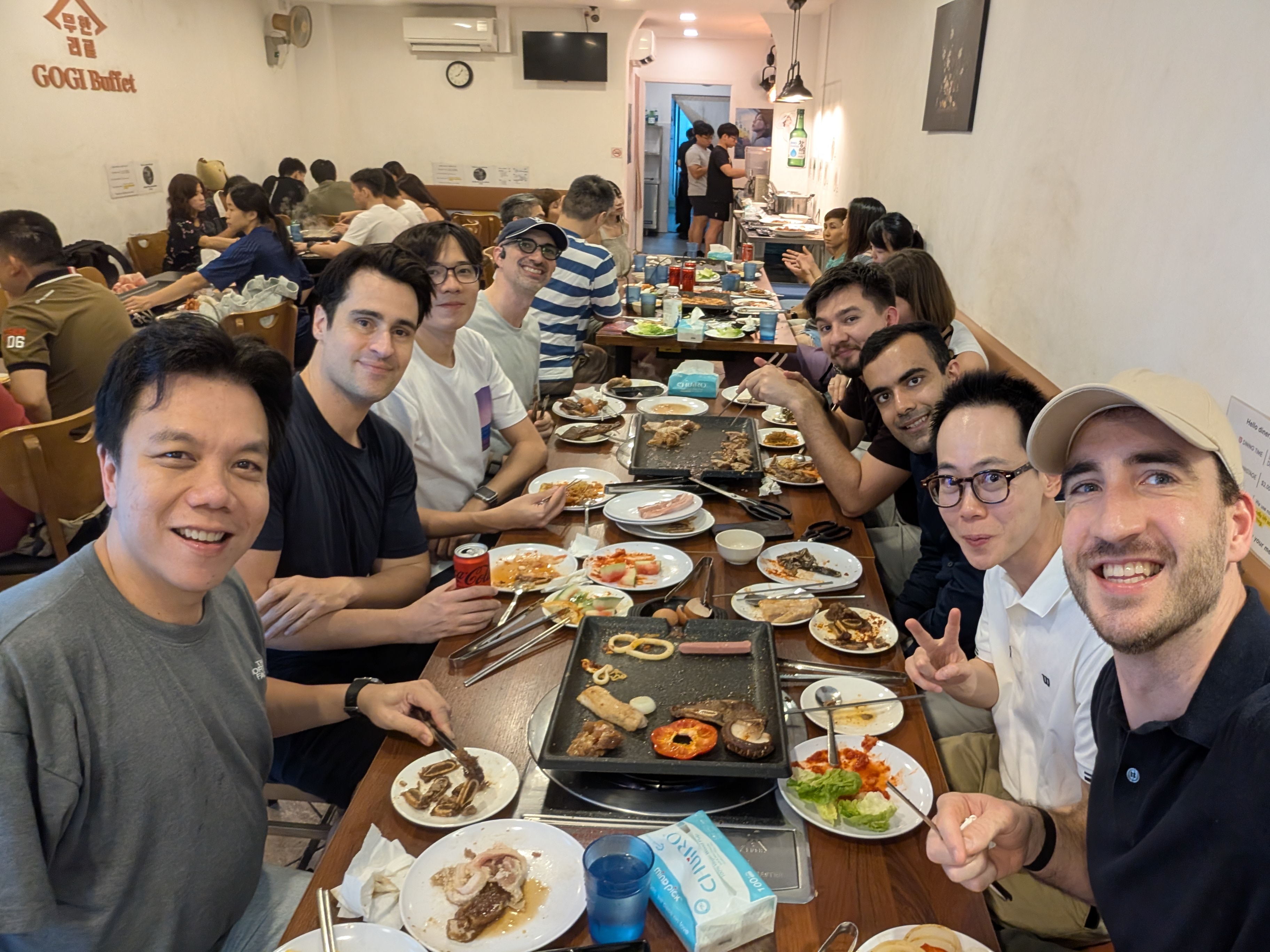
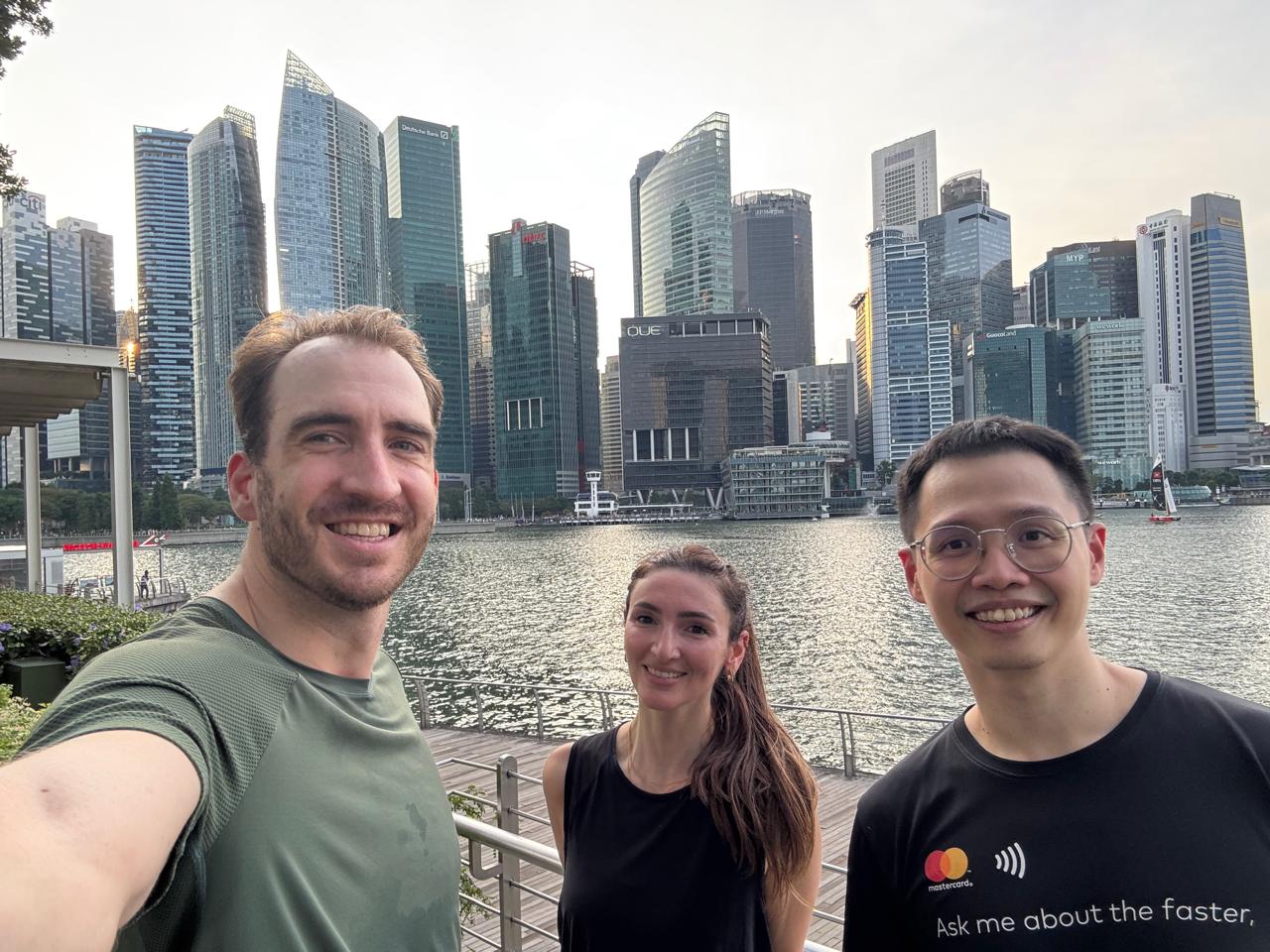
On a lighter note, it has also been great to spend time with course mates during breaks between busy study sessions. I have gone on runs with some of them, and we also went as a group to a sauna and ice bath club in Singapore. It was a great way to relax and prepare for the second week of classes.
How have you found the programme structure so far?
I think two weeks is just the right amount of time to be away from work and family. I do not have to put everything on hold, but it still allows me to fully immerse myself and disconnect somewhat from the day-to-day routine.
Between modules, we have about three months to go through the reading material for the next module. This gives us ample time to prepare and do some self-study. Another positive aspect is our very active WhatsApp group, where people share content, ideas, and insights from their industries. It helps us stay connected between modules.
On a personal note, I also had a baby between the first two modules. Being away from family is challenging at the moment, but two weeks is manageable. It feels like a good balance.
How did you find the Singapore campus?
This was my first time in Singapore. I had heard a lot about the country and had friends who had lived here. Still, I was pleasantly surprised by how smooth everything was, and how clean and well organised the country is.
The campus itself was much larger than I expected. It offers a great setup with comfortable lecture rooms and excellent facilities. I use the gym quite often, and there is a nice canteen where we have lunch with peers. After lectures, I also spend time in the library studying. It is a good place to focus or collaborate with other students.
Would you recommend EMFin to others?
Yes, absolutely. For its focus on finance, the quality of the cohort, the location, and the balance between work and study, it offers the perfect mix for me. I was already aware of the school’s reputation before joining, but now I am even more impressed.
Any advice for future EMFin students on how to make the best use of their time here?
I would recommend connecting with as many classmates as possible early on. Also, participate actively in class. You learn a great deal from both the professors and your peers.
Be curious, ask questions, and get involved in discussions. You will benefit greatly from the cohort, learning about their motivations, perspectives on finance, and views on the world more broadly.
What are your future plans?
In the near term, I see myself continuing along my current path. I enjoy helping the company navigate rapid developments in AI and shaping the financial strategy behind that transition.
In the longer term, I would like to lead finance at a high-growth technology company, continuing to build my finance and leadership capabilities to help drive growth and innovation.