
What Eight Weeks in South Asia Taught Me About Access
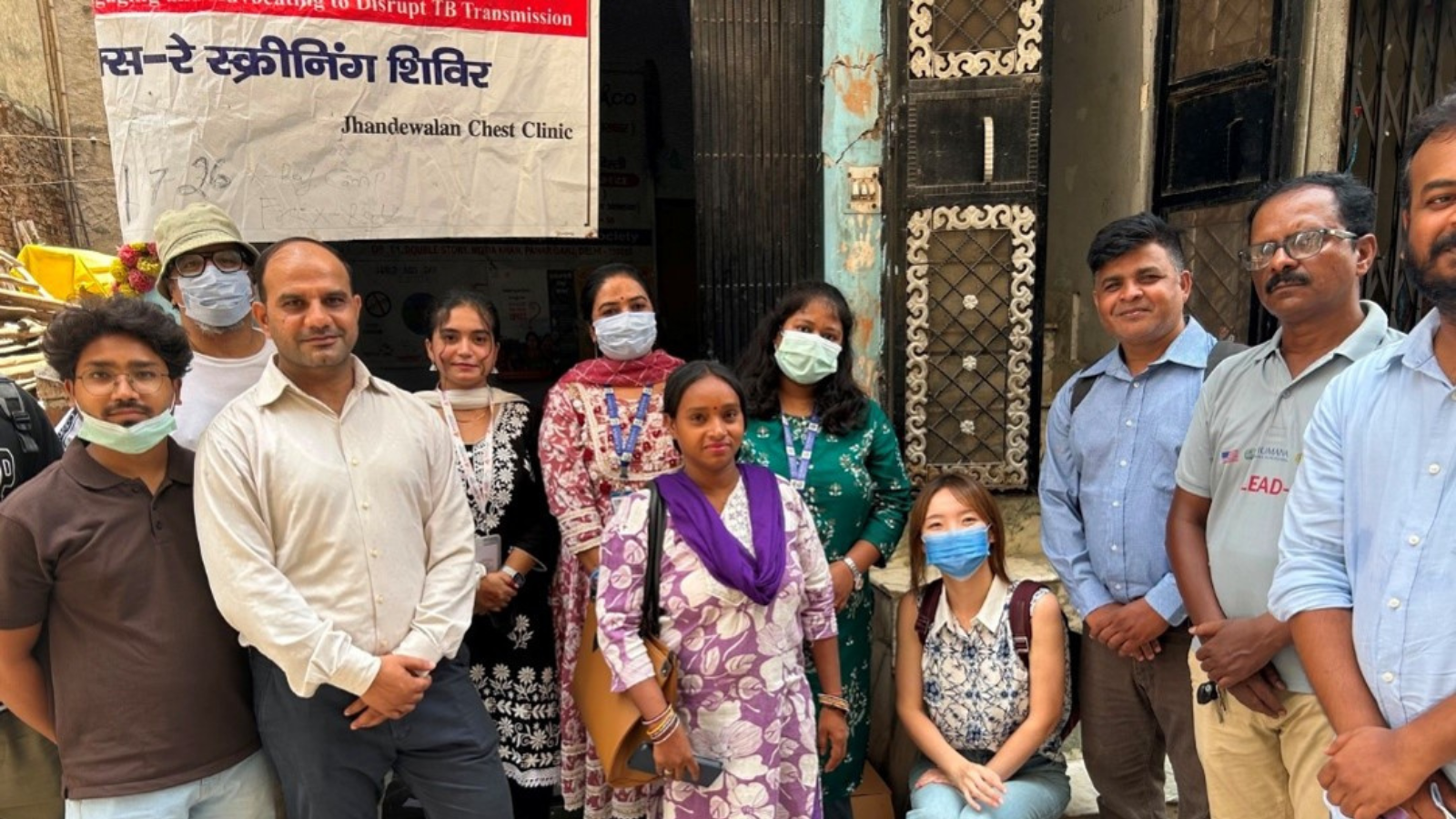
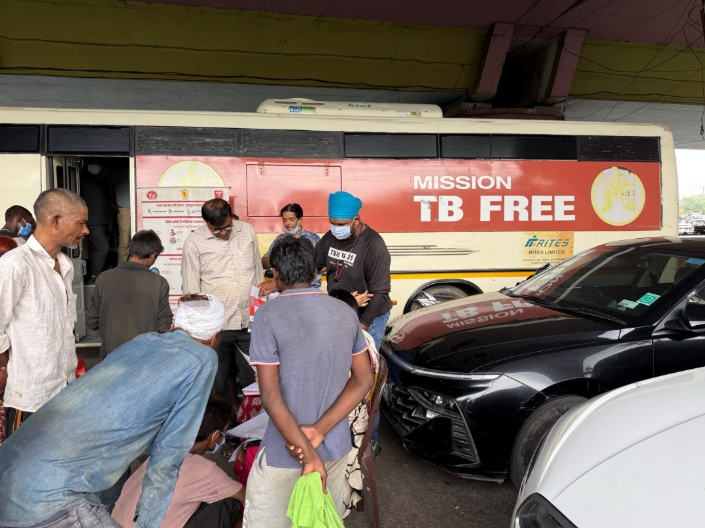
It's early morning in Old Delhi, and I'm watching a line of homeless residents wait patiently for a standing chest X-ray, one after another. At the same time, a health worker carefully records each person's contact information into an archive so they can be found again if something comes up. No fuss, no resistance, just people quietly showing up for themselves. I remember thinking: this is what “access” actually looks like. Not a supply chain diagram. Not a slide.
That morning is still one of my favourite memories from this internship, and honestly, that's the best way I can describe the whole eight weeks: I loved it.
Why this internship
I came into my MBA with a PharmD and a long-standing pull toward global health, especially toward the communities that don't usually get a seat at the table when treatment decisions are made. I wanted to be closer to that part of the system, so I spent eight weeks with TB Alliance on Fast Track the Cure (FTTC), their community engagement initiative supporting the rollout of new drug-resistant TB (DR-TB) regimens. It was TB Alliance's first time working directly in Nepal, and my scope spanned India, Nepal, and Bangladesh, talking to CSOs, TB survivors, and clinicians and programme officials on the ground about what community engagement could actually do to help.
Learning by doing
I built a three-track interview methodology from scratch and kept reshaping it as I went, since a question that read perfectly on paper didn't always survive an actual interview. Getting an India internship visa, and later converting it to a multiple-entry visa so I could travel to Nepal and Bangladesh and legally come back, took more persistence than I expected. One interview recording failed partway through, and a CSO in Brazil turned out to need a written questionnaire instead of a call once a language gap became clear mid-conversation- a little disorienting in the moment, but easily solved. Small bumps, honestly, in a stretch of weeks I was genuinely excited to wake up for.
Challenge your perspectives and empower your future with the INSEAD one-year MBA programme
Consistently ranked amongst the top one-year MBA programmes in the world by the Financial Times, INSEAD’s full-time one-year MBA programme curriculum develops successful, thoughtful leaders and entrepreneurs who create value for their organisations and their communities.
What the data kept telling me
A few patterns showed up again and again, unprompted, across every country and every kind of respondent: community engagement almost always gets designed in after a regimen's rollout, not before; side-effect communication and mental health support are gaps survivors and CSOs raised independently of each other; and diagnosis delay, more than the regimen itself, is often the real barrier standing between someone and treatment. And if there was one thing everyone agreed on, it's that survivor-led outreach is the one strategy that actually works.
What I'll remember
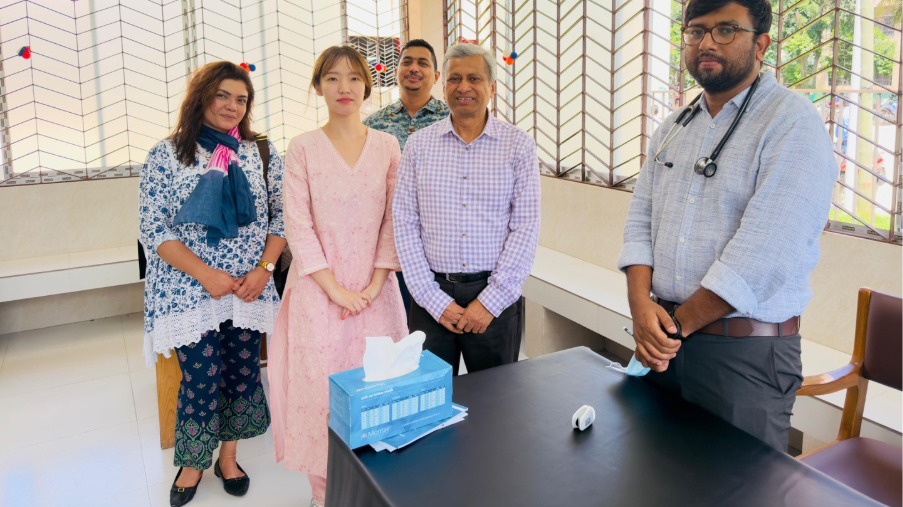
What I'll carry with me most, though, isn't the data. It's the warmth people showed me everywhere, especially in Bangladesh, where I was welcomed with a generosity I wasn't prepared for. It's sitting across from government officials, clinicians, TB survivors, NGO workers, and hospital directors, and feeling something I hadn't quite felt at a large pharmaceutical company:
A very direct sense of purpose and a responsibility that came with it. That combination is exactly what made this internship so fun, and it's what I want more of, wherever my career goes next.
This internship experience was supported by the INSEAD Hoffmann Institute Impact Internship Stipend.


