I still value instinct and vision, but now I pressure-test ideas much more rigorously through a financial lens. That balance has made me more confident in the decisions I make.
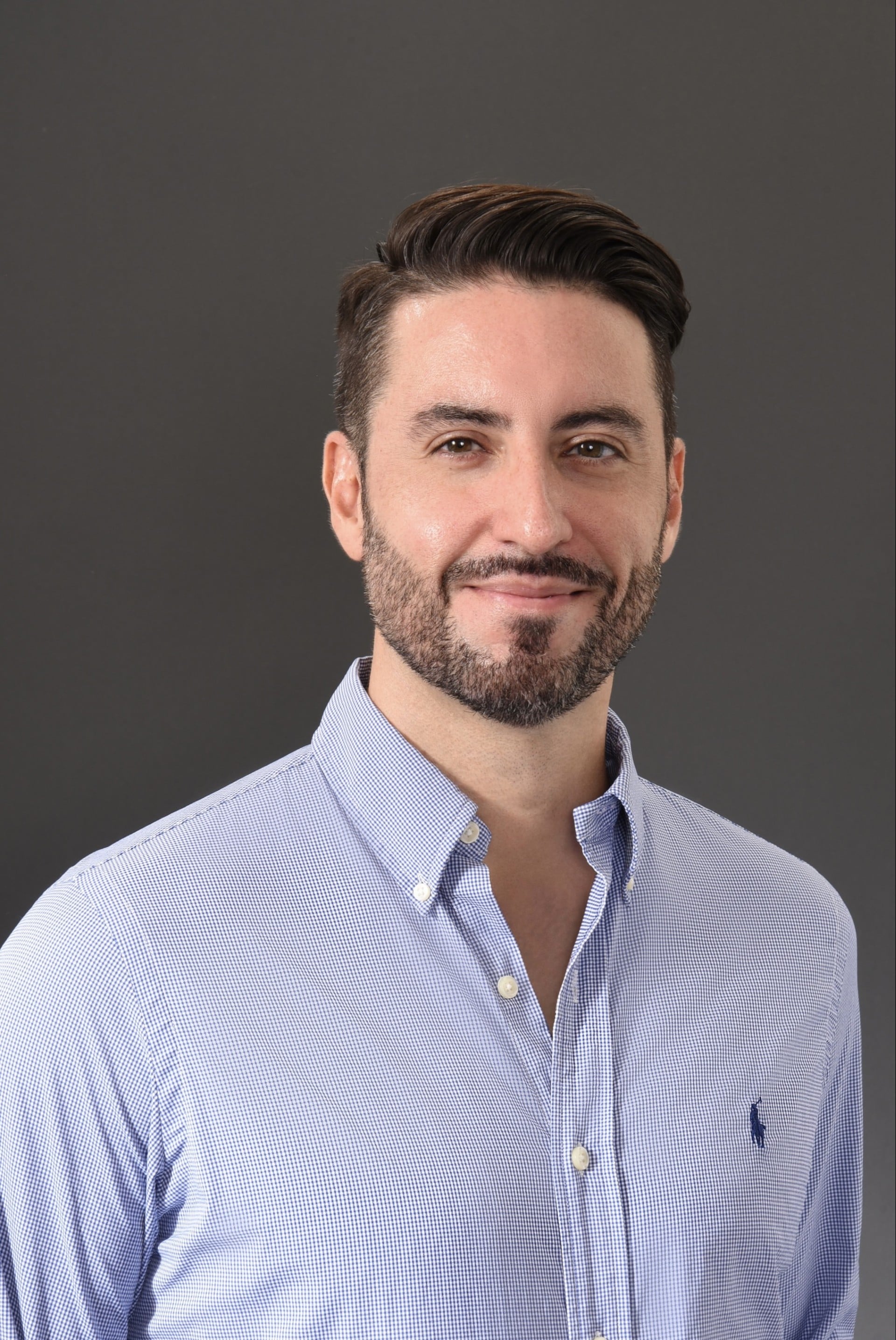
Hannes Santana
Could you tell us a bit about yourself and what you are currently doing?
I was born in Caracas and raised between Venezuela and Germany, so I grew up across very different cultures. That experience shaped how I think and made me naturally curious, adaptable and open to challenging the status quo.
I moved to Asia in 2013 and have since been working at the intersection of finance and technology. I started in the tech start-up environment and today focus more on the commercial side of fintech and digital innovation.
What made you want to embark on INSEAD’s Executive Master in Finance (EMFin) programme?
As I went deeper into fintech and digital assets, I realised I wanted more than just strong commercial experience. I wanted to build a proper finance toolkit and develop a deeper understanding of capital markets, investments and how value is created.
For me, it was about bridging the gap between my commercial background and the technical side of finance, while developing a stronger foundation for where I wanted to take my career next.
Why did you choose INSEAD’s EMFin programme?
The INSEAD Executive Master in Finance stood out because it offered the right combination of rigour, a global network and a flexible format.
The programme was also recommended to me by someone I trust. As I am based in Singapore, INSEAD’s strong presence in Asia made it a very natural fit for me.
Having embarked on the programme, how has the experience compared with your expectations?
The programme has given me a much clearer understanding of areas such as valuations, mergers and acquisitions, and investments. These were areas that I had engaged with professionally before, but I now understand them at a much deeper and more structural level.
One of the biggest shifts for me has been understanding what I call “the other side of the table”. Before EMFin, I understood how businesses operate. Now, I have a much better understanding of how investors, such as venture capital and private equity firms, evaluate value, risk and opportunity.
That perspective has been incredibly powerful.
What have been some of the highlights of the learning experience?
The faculty have been exceptional, not only academically but also in terms of their real-world experience. The learning is grounded in how things actually work in practice, which makes the concepts much more relevant to the decisions we face professionally.
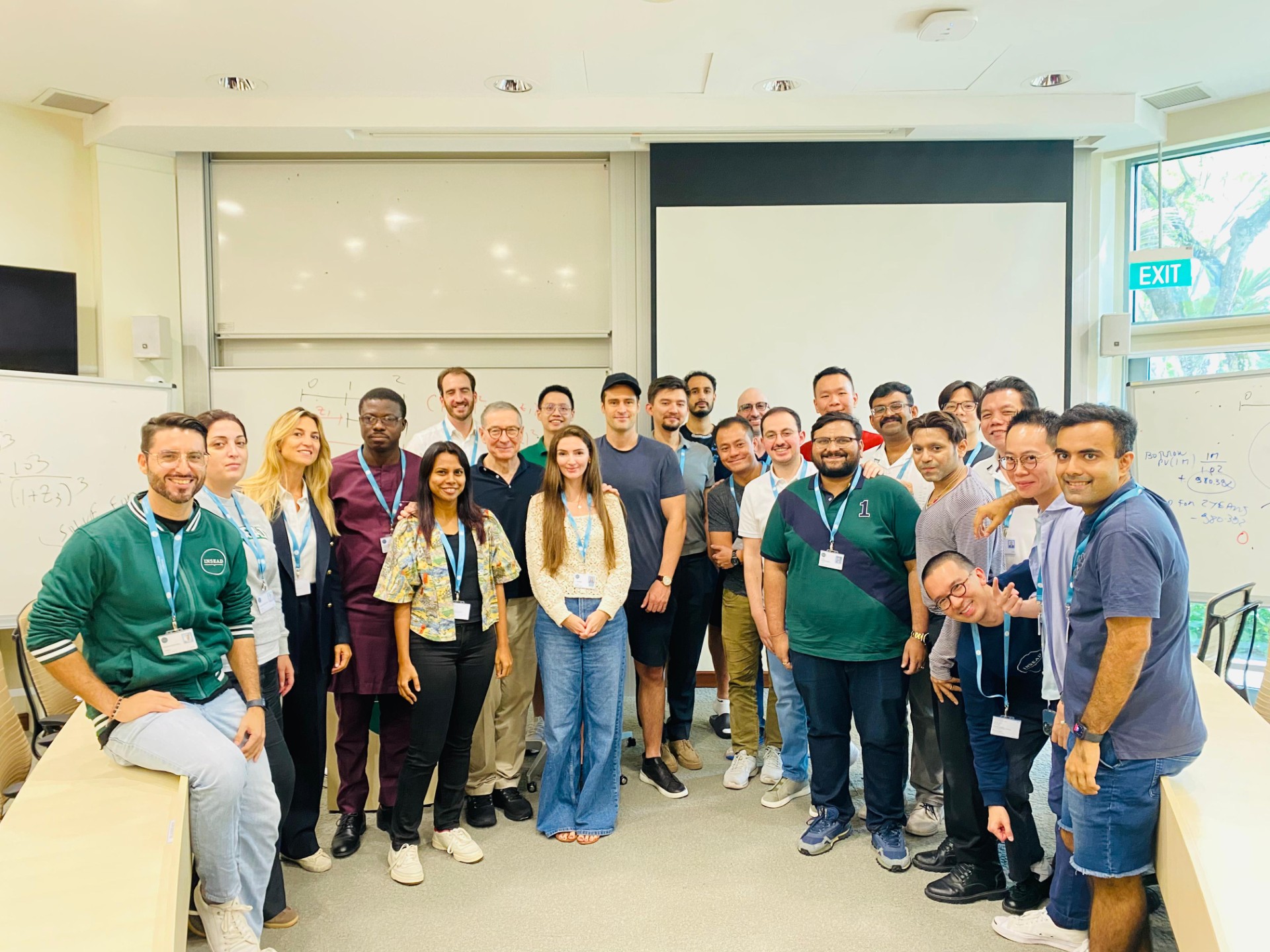
Another highlight has been the diversity of the cohort. You are learning alongside people from different industries, regions and areas of expertise. As a result, you are not only learning from professors but constantly learning from one another and seeing how finance applies across very different industries and contexts.
The EMFin programme is intensive. How have you found balancing the experience with your other commitments?
The programme is intense. Each module compresses a significant amount of content into a relatively short period of time.
What makes the experience manageable is the community. Everyone is going through the same journey, so a very natural support system develops. People help one another, exchange perspectives and work through concepts together. That sense of shared experience makes a real difference.
Have you been able to apply what you have learnt from EMFin in your work?
Yes. I have already been able to apply what I have learnt directly.
For example, in investment and partnership discussions, I now frame value, risk and incentives much more clearly. The EMFin experience has also changed how I approach negotiations and decision-making.
I still value instinct and vision, but I now pressure-test ideas much more rigorously through a financial lens. That balance has made me more confident in the decisions I make.
Has the programme changed the way you see yourself professionally?
One unexpected takeaway has been gaining greater clarity about my own strengths. Some things I previously assumed were common knowledge are not necessarily so, particularly when it comes to commercial strategy and frameworks.
Understanding how my commercial experience can translate into investment thinking has been very eye-opening. It has helped me recognise how the experience I have already built can be applied in new ways.
What are your career aspirations, and how do you see EMFin helping you to get there?
Even though I am still in the programme, EMFin has already given me a much sharper vision of where I want to go, particularly within fintech and investing.
At the same time, it has connected me with people who are aligned with that direction. I see that combination of greater clarity and the relationships I am building through INSEAD as incredibly valuable for the next stage of my career.
How have you found the INSEAD network and community?
The INSEAD network is incredibly dynamic. You are constantly exchanging ideas, whether in person or through chats and forums.
For me, the value is not about making one or two key connections. It is the accumulation of meaningful interactions over time that can develop into long-term relationships. That is something I believe will continue well beyond the programme itself.
What advice would you give to someone considering INSEAD’s EMFin programme?
Come prepared. Do the pre-readings, stay engaged and actively contribute.
The programme gives you access to exceptional faculty, perspectives and people, but you also have to be ready to immerse yourself in the experience.
The more you put in, the more you will get out of it.