What I've learnt applies not only to traditional businesses, but also to newer asset classes and innovation-driven contexts like crypto and AI, which is where much of my work sits.
Julian Gropp
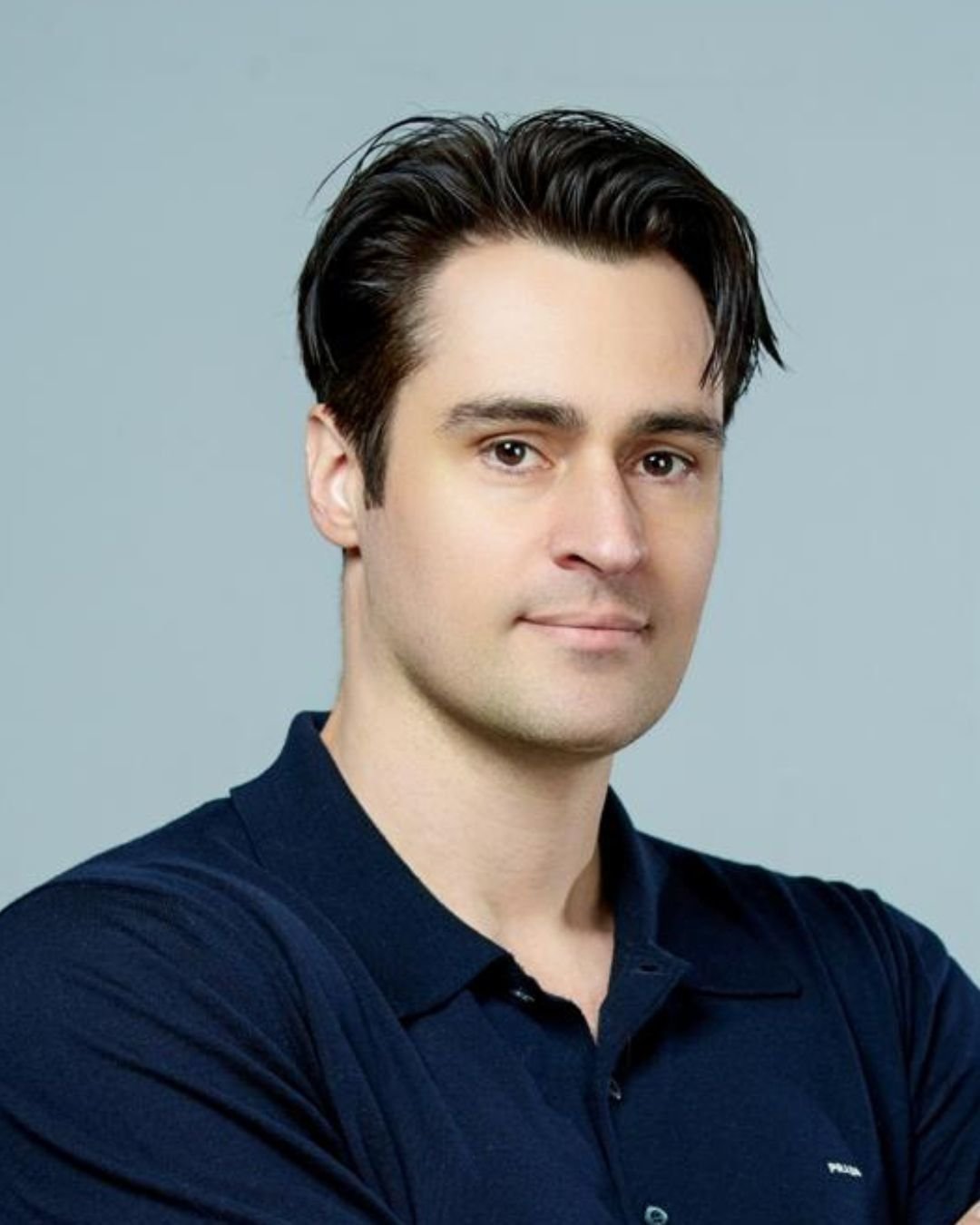
Tell us more about your corporate background
After completing my undergraduate studies at Stanford University, I began my career in traditional finance – first as an investment banker at Lazard and later as an investor on the buy side at KKR.
I also spent several years working closely with fintech startups in San Francisco. Many of my friends from university were founders or working in start-ups, and they often approached me for advice on corporate finance topics – particularly fundraising strategy, capital structure and how to optimise outcomes in a potential exit.
That experience ultimately led me, around eight years ago, to start Battery Street Advisors – a boutique advisory firm that works with start-ups in cybersecurity, fintech, Web3, and AI. One of the transactions I’m most proud of was advising Kuwaiti food delivery company Carriage on its sale to Delivery Hero, where we helped to structure a nine-figure deal.
What do you do on a day-to-day basis?
I advise founders and management teams on strategic finance and corporate strategy – preparing companies for fundraising, M&A readiness, and exit execution. For many of these companies, the ultimate goal is a successful acquisition, which is where my background in M&A and investing is particularly relevant.
On a day-to-day basis, this involves building or reviewing financial models, conducting valuation work, and helping companies articulate their story in a way that resonates with investors and potential buyers. I also support due diligence processes and help manage communication among senior-level stakeholders to ensure alignment throughout the deal process.
What made you want to embark on INSEAD’s Executive Master in Finance (EMFin) Programme?
Since I started work, I’ve been quite specialised in certain areas of finance, such as M&A and private equity. Over time, I realised there were other parts of finance that I had been interested in during my undergraduate studies, but hadn’t been able to revisit in a structured, academic way. I wanted to strengthen my foundation across these topics, deepen my academic understanding, and ultimately be better equipped to serve my clients.
Another important factor was the network. The number one thing people consistently praise about INSEAD is its network, and that was something I really wanted to be part of and benefit from.
Were you considering other schools and how did you decide on INSEAD?
I began my search for an executive finance programme with INSEAD. I first heard about the school many years ago from the first managing director I worked for at Lazard. He completed his MBA at INSEAD and always spoke very highly of the school.
Having done my undergraduate studies in the United States, I wanted a different educational and cultural experience. INSEAD stood out to me as one of the most globally respected business schools outside the US.
Another key factor was the flexibility of the programme and its format across six two-week modules. My work can get extremely busy, and fitting a Master’s programme into my schedule at this stage would otherwise be very difficult. The EMFin programme felt like a uniquely practical way to get the education I was looking for while continuing to perform at work.
What was the EMFin application process like?
It was both rigorous and thoughtful. In many ways, it felt closer to a due diligence process than simply filling out a form with your resume. I took that as a positive signal; it suggested that the admissions team was focused not only on academic readiness, but also clarity of purpose.
From end to end, it took time, but it was valuable because it pushed me to articulate what I truly wanted out of the programme, and to see how it could connect to my longer-term trajectory.
What have been some of the programme’s highlights for you so far?
The faculty has definitely been a personal highlight. Honestly, it’s hard to single out one professor because they are all excellent in their respective fields. They’re not only highly knowledgeable, but also approachable and engaging.
As a practitioner, what mattered most to me was that the teaching was not purely theoretical. At the executive level, it’s difficult to justify time spent on concepts that cannot be applied. That has not been an issue at INSEAD – the material and frameworks have been consistently practical, and I’ve been impressed by how effectively the faculty connect concepts to real-world decision-making.
The other major highlight has been the quality of the cohort. The programme brings together people from different industries and perspectives, which makes the learning much richer. After the first module, we continued to stay in touch – not only through a group chat, but also individually through shared interests.
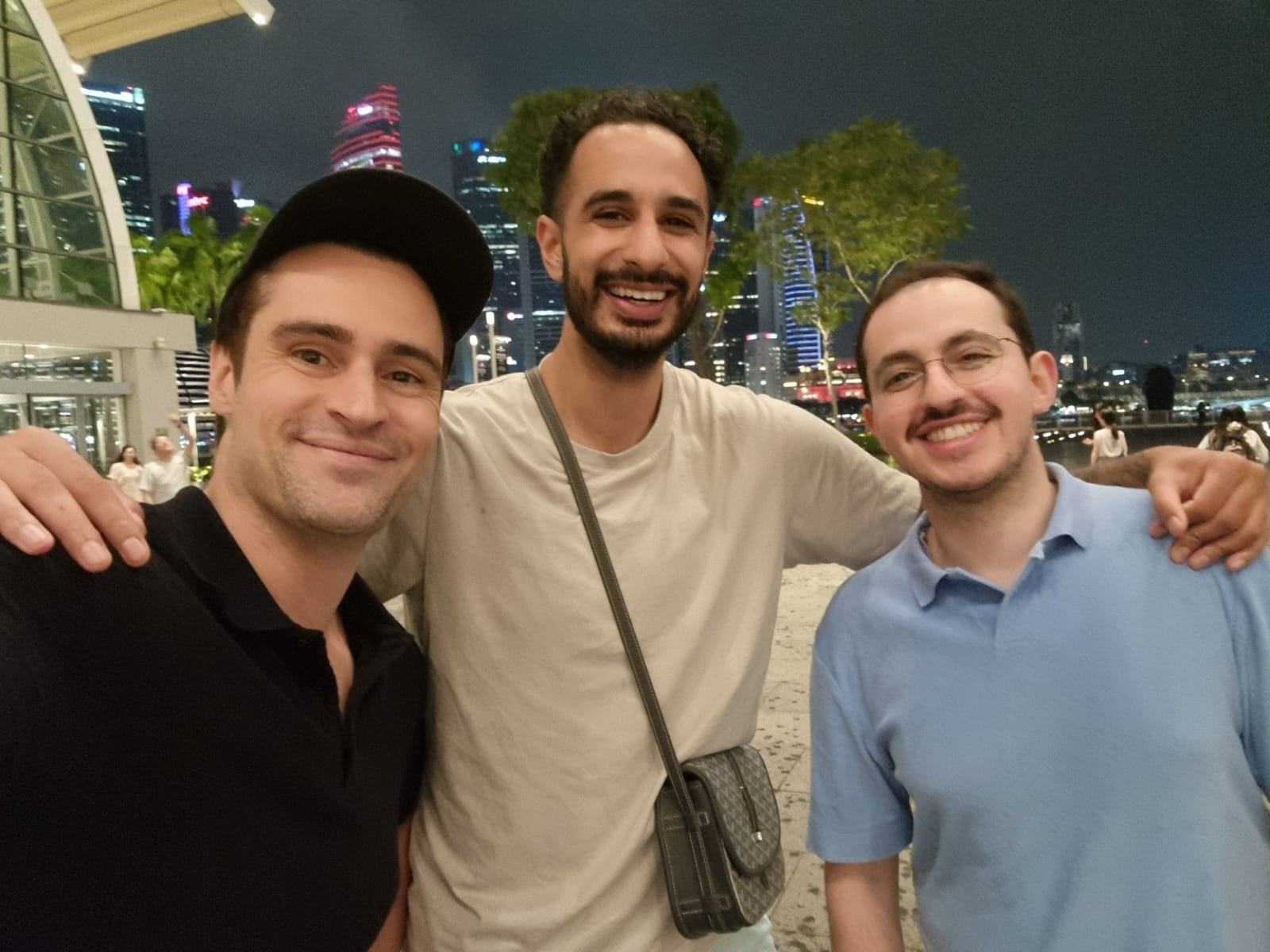
For example, I’ve already had several conversations with classmates about transactions, and in a couple of cases I was able to contribute directly and help. Another example relates to the sale of a food delivery company in the Middle East that I’m currently advising on. It happens that one of my EMFin classmates is also working on a food delivery deal in the region, and we’ve had some very valuable discussions that have helped both of us.
Share your thoughts about the INSEAD Singapore Campus
I think it’s an excellent facility with some good energy. Overall, it’s modern, well-run, and very conducive to learning. There is a nice gym, library, and easy access to everything you need.
A bonus is the food in the cafeteria. There are some very fresh food options and variety of cuisines, and I was very happy to eat there.
Have you been able to apply the learnings back into your work?
Yes, and sooner than I expected. Already, I’ve become much more explicit and disciplined about the assumptions I make in my work. Because I do a lot of financial modelling and valuation, it’s easy to get deep into spreadsheets and occasionally take shortcuts without even noticing. The programme has made me more aware of those habits and more thoughtful about how small changes in inputs can propagate through valuations and risk assessments.
I’ve also found that I’m communicating more clearly with stakeholders about financial questions – less “hand-wavy” intuition and more structured, transparent reasoning. Helpfully, the frameworks apply not only to traditional businesses, but also to newer asset classes and innovation-driven contexts like crypto and AI, which is where much of my work sits.
What are some of the things you would advise future participants in order to make the most of their time at the EMFin programme?
Number one – be disciplined about the pre-readings, because the time during the actual modules is too valuable to be playing catch-up. Also, because you want to be ready mentally, and have the luxury of time to really get to know your cohort.
The second thing is to form a good study group early on with other like-minded individuals. INSEAD is really all about forming relationships. Recently, I was at Abu Dhabi Finance Week, and one of my cohort members happened to live there, so we got to catch up.
Number three – be intentional about your goals. You should know what you want, and what parts of finance you want to strengthen.
Finally, actively apply the concepts learnt between the modules, so that the learning compounds.
What are your future career plans?
In the short term, I want to keep building at the intersection of finance and innovation – where I spend most of my time today – across traditional finance and emerging areas like AI and crypto. I want to keep improving as an investor and advisor in these domains.
In the longer term, I would like to build a platform where finance and technology meet. One area I’m currently focused on is developing AI systems for financial modelling across investment banking, corporate finance, and private equity. The ambition is to meaningfully reduce the time and friction involved in producing high-quality analysis – taking work that traditionally requires hours and compressing it into minutes – while maintaining rigor and transparency. Over time, I’d like to develop this further into a scalable capability that changes how financial work is produced and delivered.