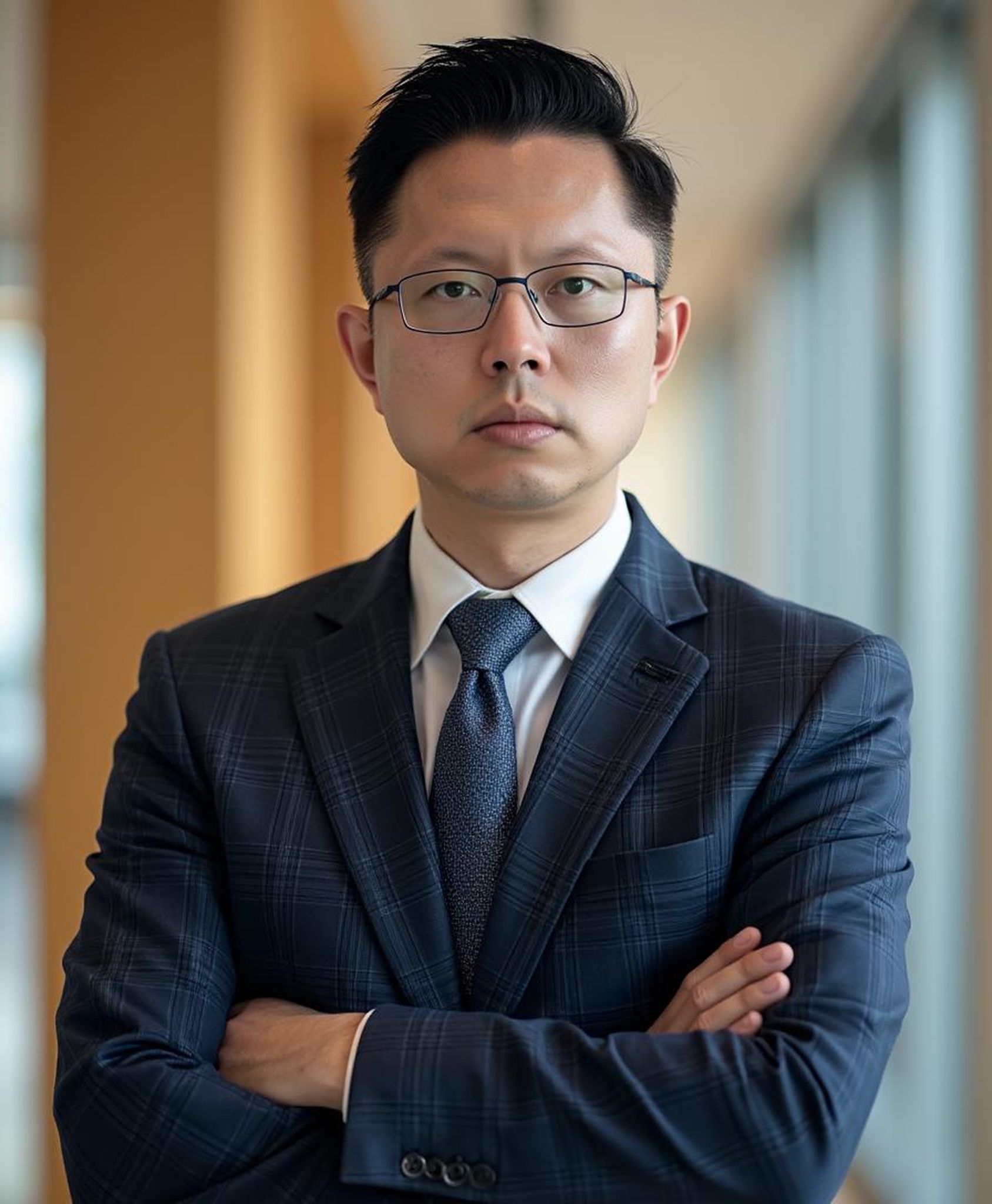
It is not simply about learning new concepts. The programme transforms how you think about subjects you may have believed you already understood.
Maka Chanishvili

Could you tell us a bit about what you are currently doing?
I am a Finance and Accounting Manager at LC Waikiki Georgia, part of a global retail group. I have been leading financial operations for nearly a decade and am currently pursuing the INSEAD Executive Master in Finance.
My role has traditionally focused on financial execution and operations. Through the programme, I am now approaching my work with a more strategic and structured perspective, using financial frameworks to support more informed, evidence-based decisions.
What made you want to embark on INSEAD’s Executive Master in Finance programme?
Pursuing a master’s degree in finance has always been a lifelong goal for me. Although I already had practical experience in accounting and finance, I wanted to deepen and structure my knowledge, while developing a more strategic way of thinking.
When I explored different programmes and business schools, INSEAD stood out very clearly. It offered an outstanding curriculum, internationally renowned faculty and a truly global experience across Singapore and Europe.
I am also passionate about continuous learning and professional growth. The EMFin felt like the right next step to deepen my expertise and expand my career opportunities on a global level.
How has the programme compared with your expectations?
The programme has exceeded my expectations. It is not simply about learning new concepts. It transforms how you think about subjects you may have believed you already understood.
The learning is highly analytical, practical and grounded in real-world business challenges. Even if you already have theoretical knowledge in areas such as economics, corporate finance or capital markets, the professors approach these subjects from a very different perspective. You are constantly challenged to think more critically and strategically.
What have been some of the highlights of the programme for you?
The faculty have been exceptional. They combine strong academic expertise with real-world experience and encourage discussion and active participation rather than passive learning.
The programme is case-based and focused on real decisions, which makes the learning highly relevant. It has changed the way I analyse challenges and helped me consider the broader strategic implications behind financial decisions.
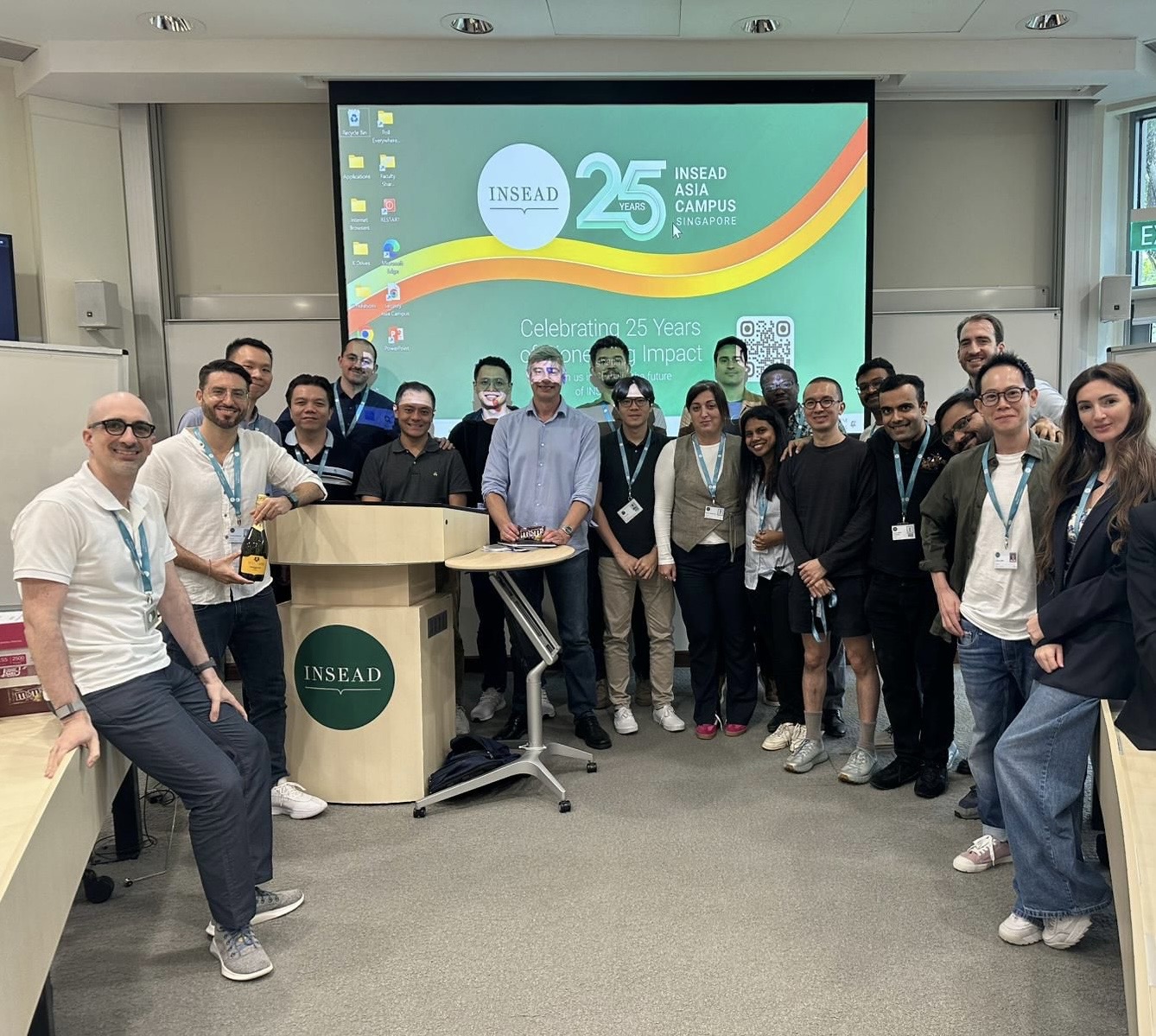
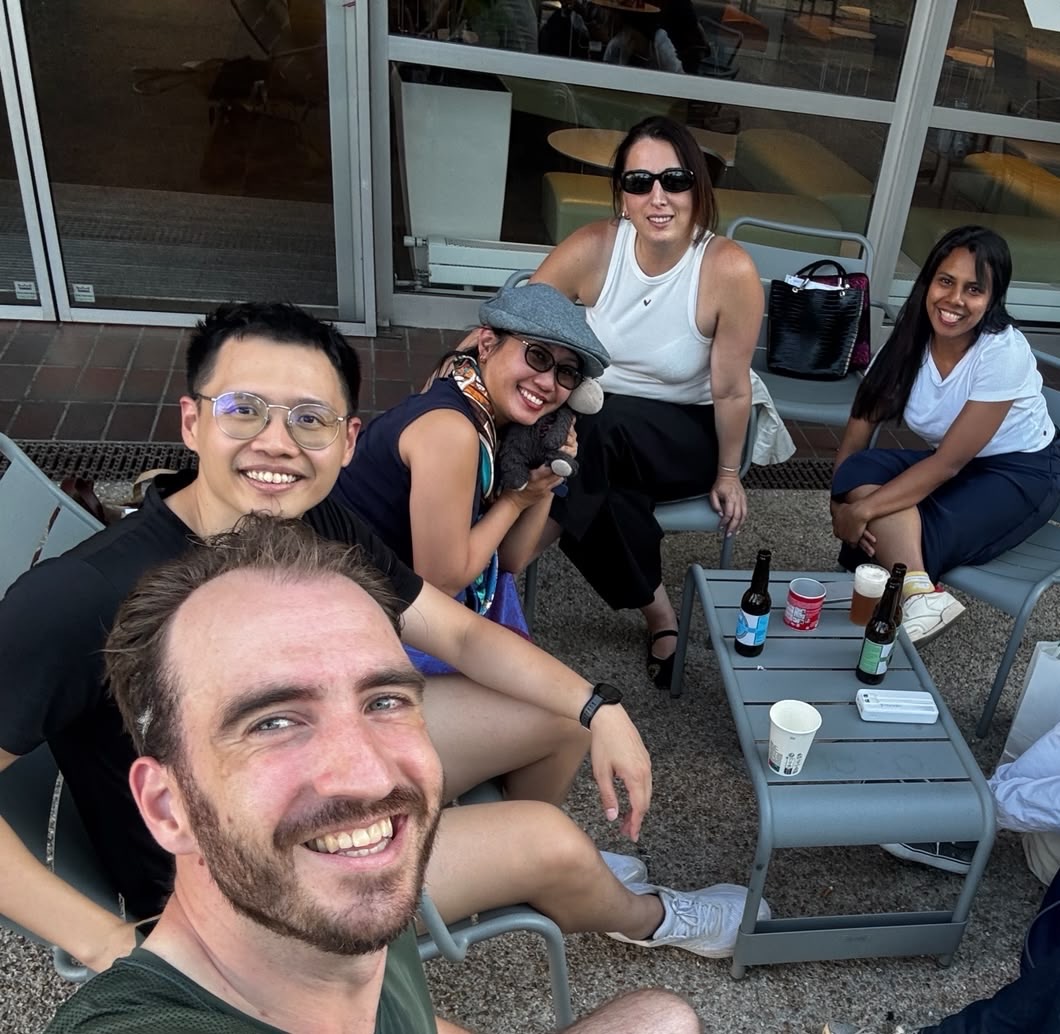
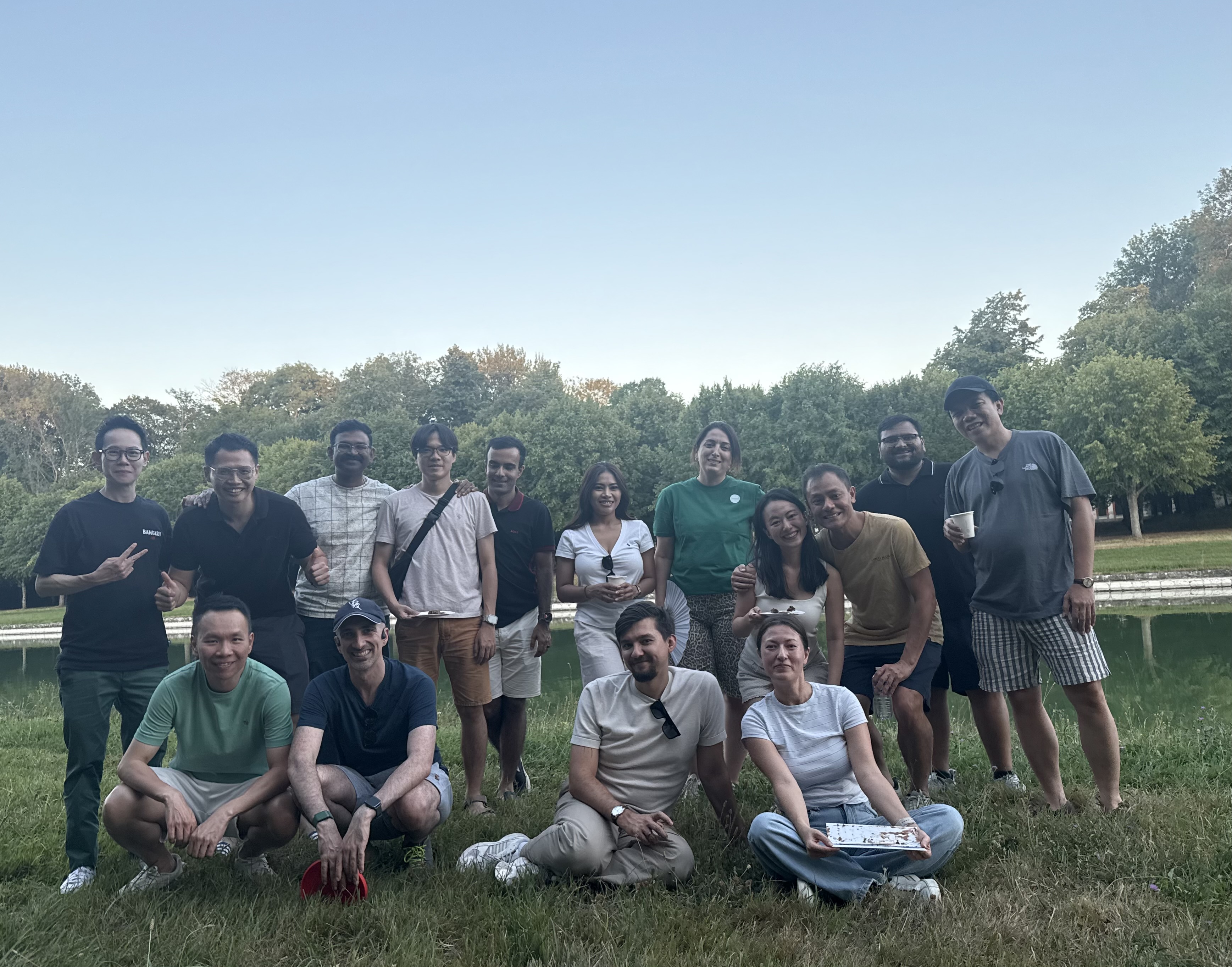
The diversity of the cohort is another major highlight. I am learning alongside professionals from different industries, countries and backgrounds, with each person bringing a completely different perspective. This makes every group discussion and classroom interaction much richer. You are not only learning from the professors, but also constantly learning from one another.
How have you managed the demands of the programme alongside your career?
The programme is intense and requires strong commitment. You need to balance your professional responsibilities, prepare thoroughly for each module and remain fully engaged during the sessions.
What makes it manageable is the support system around you. Your family, colleagues and especially your classmates all play a role in helping you succeed. It really becomes a shared journey.
One unexpected benefit has been the development of stronger time-management skills. With classes, group work and exams packed into each module, you naturally become more structured and disciplined. When you return to work, you realise that you are applying these skills in your daily life as well.
Have you been able to apply your EMFin learnings in your job?
Yes. Even though I am still in the middle of the programme, I have already started applying elements of what I have learnt.
For example, I am using concepts such as futures and swaps in treasury operations to better understand and manage financial risk. Even relatively small insights from each module are making a difference in how I approach my work.
The programme has also significantly broadened my knowledge across areas such as corporate finance, capital markets and portfolio management.
How is the EMFin shaping you as a finance leader?
Before joining the programme, my focus was more on execution and operations. I now approach decisions in a more strategic and structured way.
I use frameworks from the programme to make more informed, evidence-based decisions. This has helped me evolve from a manager into a more strategic finance professional.
The programme is also helping me think more clearly about the direction I want to take in my career and the kind of finance leader I hope to become.
What has being part of the INSEAD network meant to you?
Being part of the INSEAD network has been truly transformative. I am connected with professionals representing more than 20 nationalities and working across industries such as private equity, banking and corporate finance.
These interactions have made me more globally minded and more confident. Beyond the immediate connections, you also know that you are part of a community that can create opportunities well into the future.
How would you describe the EMFin experience in three words?
Global. Strategic. Transformative.
Global, because of the diversity of perspectives. Strategic, because the programme teaches you to think like a senior finance leader. Transformative, because it changes not only what you know, but also how you think.
What advice would you give to professionals considering the EMFin programme?
Be very clear about your goals and come prepared. The programme is intense, so discipline is important. Completing the pre-readings and participating actively will significantly enhance your experience.
At the end of the day, the EMFin is not simply an education. It is a long-term investment in your career and your future as a finance leader.