
What I Learned About Financing Food Security at WFP
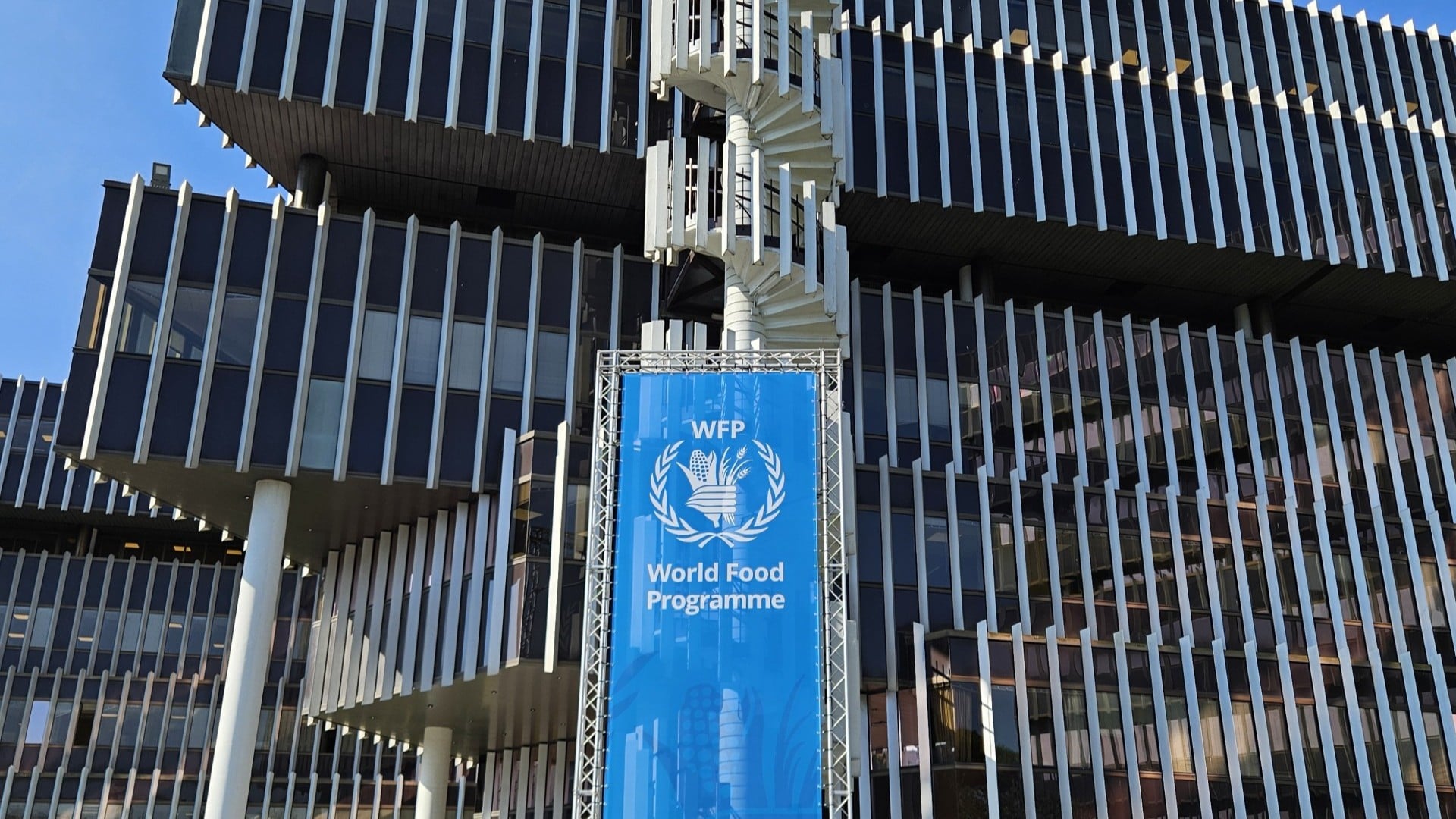
During the summer break of my MBA at INSEAD, I joined the United Nations World Food Programme in Rome as a Finance Fellow in its Innovative Finance Unit. After several years in investment management, I wanted to understand how finance could support humanitarian work. I arrived at a difficult time for the sector, as humanitarian needs were rising and grant funding was under growing pressure.
WFP works in more than 120 countries and territories. Its Innovative Finance Unit explores ways to use grants more effectively and attract other sources of capital for food security and stronger food systems. The team works with development banks, commercial lenders, impact investors and other financing partners. Learning how these arrangements work in practice was one of the main reasons I chose the internship.
Making the work easier to find and use
Much of my summer involved helping the unit build a clearer view of its financing work and the organisations that could support it. I identified 31 potential new financing partners and reviewed 19 existing or reference partners. I then selected ten priorities and suggested how WFP could approach each one.
This research covered development banks, commercial lenders, impact investors and providers of catalytic capital. I paid close attention to completed transactions because they showed what each organisation had actually financed, where it had worked and which instruments it knew how to use. Public commitments were useful context, while completed work gave us a firmer basis for deciding whom to contact.
I also brought information about WFP's own initiatives together in one place. Details had accumulated across separate folders and documents, so I created a catalogue of transactions that had been implemented or had reached an advanced stage. I contributed to an internal guide explaining the financing structures used by the unit and researched models that support small businesses, cooperatives and smallholder farmers. The team can now use these materials as a starting point for future projects instead of rebuilding the history each time.
A better way to handle Country Office requests
The project that taught me the most began with a practical problem. Country Offices regularly contact the unit for funding or technical support. Each request arrived in a different format and with a different level of detail, which made comparison difficult and slowed the first review.
I proposed a standard process and built it with the team. A short online form now collects the same essential information from every office. A spreadsheet checks the data and performs the main calculations. Clear eligibility rules and scoring criteria guide the assessment. AI helps organise the information and flag points that need attention, and two team members review the analysis before deciding on the next step. I also wrote an operating guide so the team can run the process and adjust it over time.
Country Office staff often work under intense pressure, so the process had to respect their time. I kept the first application short and asked only for information needed at that stage. The quality of the writing does not affect the score. More detailed due diligence comes later, once a request has passed the first review. These choices make the process fairer and help the unit respond more quickly.
Applying my previous experience
One of the more unexpected assignments drew directly on my work before INSEAD. I reviewed 21 institutional providers that could help WFP receive donations in stablecoins, convert between stablecoins and traditional currencies, and potentially transfer funds to beneficiaries. I narrowed the group to a short list and recommended next steps based on WFP's needs.
It was rewarding to apply my experience in digital assets to a humanitarian setting with very different operating requirements.
What I learned
The steepest part of the learning curve was understanding how work moves through a large United Nations organisation. Decisions involve several teams and committees, and information can sit in many places. Early in the summer, I did not always know who owned a topic or whose approval was needed.
Short conversations with colleagues made a real difference. I joined meetings beyond my immediate projects and asked people how their teams worked and what they needed from us. Those relationships helped me find information, get feedback sooner and understand how an idea could move forward. By the end of the summer, I usually knew whom to call when I reached a dead end.
I will carry three lessons from the experience. A useful process starts with the people who will use it. Organising existing knowledge can save a team as much time as producing new analysis. Recommendations are stronger when they are based on completed work and clear evidence. At WFP, I also learned to judge finance by what it makes possible for Country Offices and the people they serve. I am grateful to the WFP Innovative Finance team for trusting me with these projects and welcoming me into their work.
I am also grateful to the INSEAD Hoffmann Institute, whose Impact Internship Stipend made this experience possible.
I returned to INSEAD with a much clearer understanding of humanitarian finance and great respect for the people who work on food security every day.
This internship experience was supported by the INSEAD Hoffmann Institute Impact Internship Stipend.


