Personally, it was an unexpected gift, a rare and generous space to reflect on how one leads and relates to others.
Jacqueline Zhang
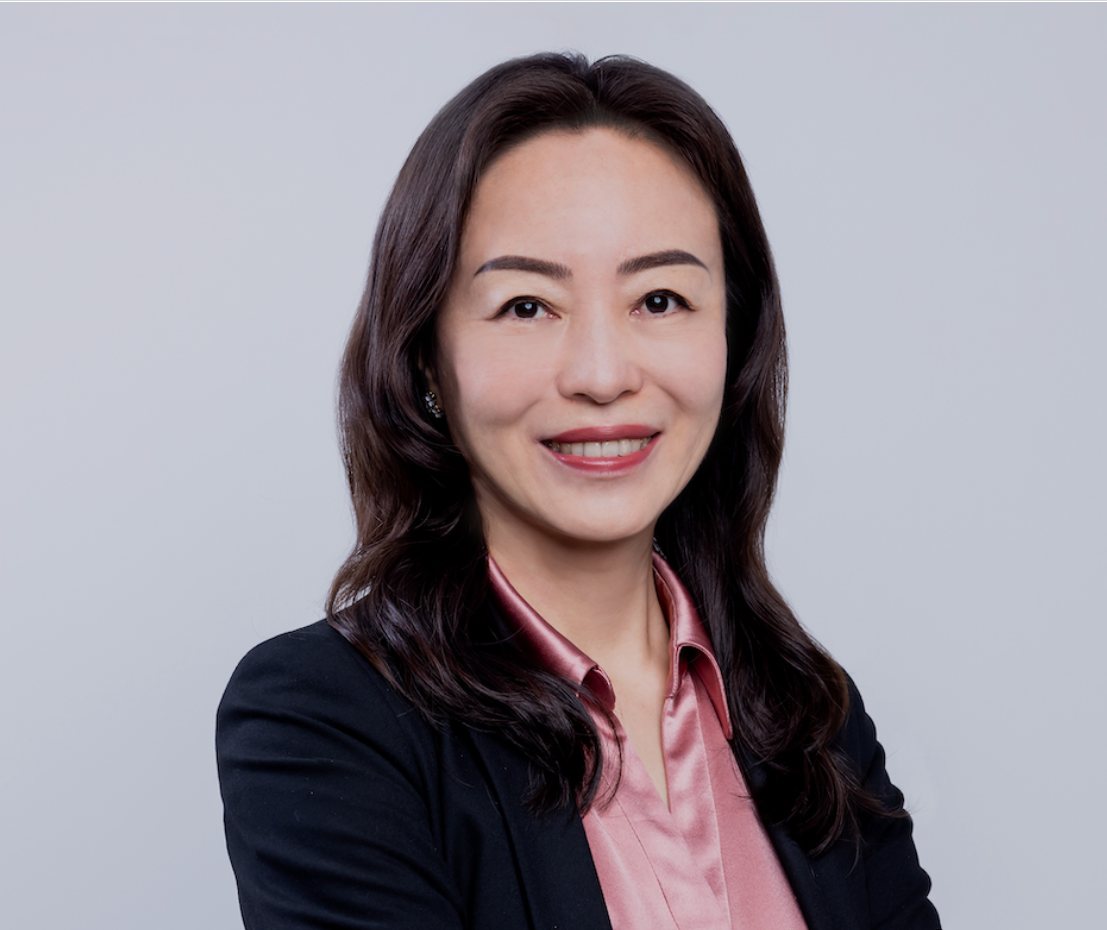
Can you tell us about your background and career before enrolling in the Executive Master in Change (EMC)?
For over fifteen years, I ran executive search and led talent acquisition across APAC financial services, building and guiding teams throughout Greater China and the broader Asia region through periods of significant growth and regulatory change. I would point to my work at Morgan Stanley, where I built its in-house hiring capacity as the firm expanded across newly regulated businesses in China. Leading through that complexity taught me that the real work of any organisation is fundamentally human: how people navigate ambition, trust, and change. I came to the EMC as an experienced practitioner, eager to understand those human dynamics far more deeply.
What prompted you to join the programme? What were your goals and expectations when you started?
After many years advising senior leaders through hiring, restructuring, and transformation, I had come to a quiet realisation: I understood the architecture of organisations well, but not the deeper, often unspoken forces that shape how people truly behave within them. The EMC drew me precisely because it takes those forces seriously.
Grounded in the systems-psychodynamic tradition, the programme promised not another toolkit but a more profound way of seeing teams, organisations, and oneself.
My hope was to lead change with greater wisdom and humanity, and while I expected real intellectual rigour, I did not anticipate how genuinely transformative it would be.
How would you describe your experience of the programme overall: intellectually, professionally, and personally?
Intellectually, it was among the most stretching and rewarding work of my career: psychodynamic theory, group dynamics, and organisational analysis held to a genuinely high standard, in the company of an exceptional faculty and cohort. Professionally, it reframed my craft: I no longer see talent and change as processes to be managed, but as living systems to be understood and accompanied. Personally, it was an unexpected gift, a rare and generous space to reflect on how one leads and relates to others. I emerged steadier, more discerning, and more compassionate, both with myself and with the people I work alongside.
Was there a moment, insight, or shift in perspective during the programme that had a lasting impact on you?
The most lasting shift was learning to use myself as an instrument, treating my own responses in a room as valuable information about what is truly happening, rather than something to set aside.
For much of my career I had been trained to remain composed and solution-focused; the programme gave me permission to attend to what I sensed and to trust it as a genuine source of insight.
It sounds deceptively simple, yet it has quietly reshaped how I lead: how I listen, how I hold steady amid discomfort, and how I read the dynamics beneath the surface of a team.
How has the programme influenced your approach to change?
My approach to change has matured considerably. I once regarded resistance as an obstacle to overcome; I now treat it as intelligence, a signal of what a system values or fears losing. I pay closer attention to what goes unspoken, to the anxieties beneath stated objections, and to my own part in the dynamic. In practice, I move more deliberately at the outset, listen for the underlying pattern before offering a solution, and hold the emotional reality of change alongside its commercial and structural logic. Change, I have come to believe, is rarely a technical challenge; it is almost always a human one.
What advice would you offer to individuals considering enrolling in the Executive Master in Change (EMC)?
Approach it ready to be changed, not merely trained. The EMC rewards those willing to be a subject of the inquiry, not only its author. Its real value lies in that openness. Protect genuine time and space for the reflective work; it rewards depth rather than speed, and the most uncomfortable moments are often the most generative. Be honest about your reasons: if you are seeking quick certainties, there are easier programmes.
If you wish to understand yourself and others more deeply, and to lead change with greater wisdom, I know of nothing comparable. It is an investment that repays you for years.
If you had to summarise the INSEAD Executive Master in Change (EMC) in one sentence, what would it be?
More than a qualification, the EMC is an investment in how you lead; it makes experienced executives wiser, more self-aware, and more human in the way they drive change.