I expected to gain a sharper set of tools to apply to my work, and that's exactly what happened.
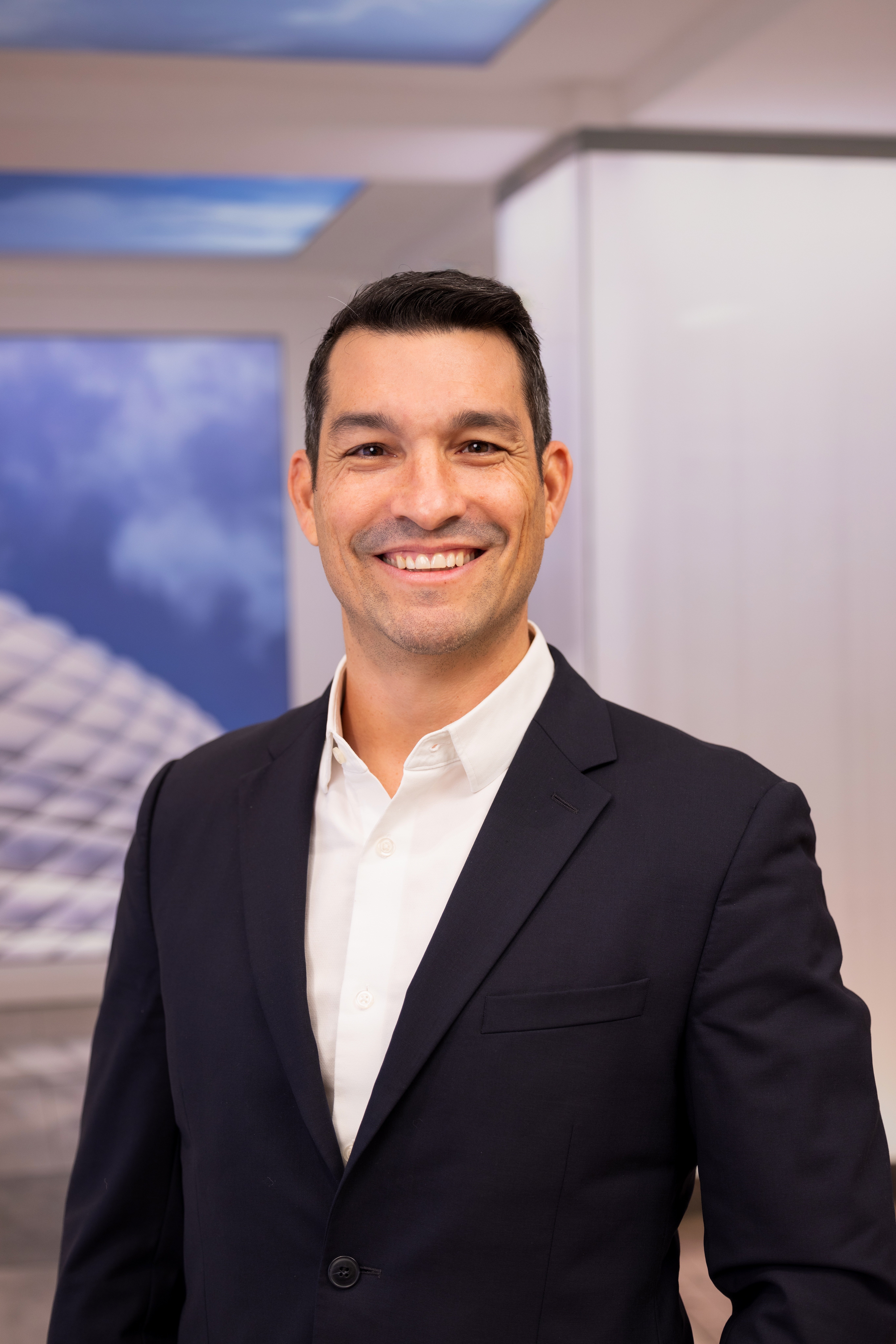
Charles Labelle
Can you tell us about your background and career before enrolling in the Executive Master in Change (EMC)?
I've spent the last six years heading up large-scale learning and development programmes for corporates. Before that, I was at INSEAD for about seven years, where I worked with students on their careers and coached them. At the same time, I also started and ran my own business, doing executive coaching and consulting.
As I continued working, I found the experience to be rewarding, but at the same time, I started to notice that there were forces at play that I couldn't quite put my finger on. No matter which organisation or leader I was working with, I kept seeing the same patterns emerge, and the tools I had been taught just weren't enough to explain what was going on. I felt like I needed to develop a better understanding of what was driving these patterns, so I could create more effective programmes and make a meaningful difference rather than just treating the symptoms on the surface.
What prompted you to join the programme? What were your goals and expectations when you started?
Two things came together that made me realise I had to go deeper. The work I do with corporates,I had reached a point where the usual methods and frameworks weren't enough to help the people I was working with.
Leading learning and development initiatives and working closely with leaders who were dealing with some tough changes, no matter what I did, I could see that a lot was going on beneath the surface that we didn't have the words to talk about. I needed to find a way to understand and describe those underlying issues.
Second, I was looking to expand my coaching practice and add more depth to it, beyond just technical aspects and traditional coaching models. I wanted to gain the ability to understand the underlying dynamics of a system, a group, or a relationship. This required finding a programme that took the psychological aspects of organisations seriously and would teach me to read and work with these complex dynamics. My goal was to acquire a deeper understanding of the human side of organisations, and I was willing to invest in a programme that would provide me with the necessary tools and knowledge to do so.
When I started exploring options for further study, I reached out to EMC alumni and quickly realised they had been grappling with the same questions I had. I expected to gain a sharper set of tools to apply to my work, and that's exactly what happened. But what I got went much further than that. It changed how I see the work itself.
How would you describe your experience of the programme overall: intellectually, professionally, and personally?
The EMC programme completely changed my perspective on organisations. Before, I used to focus on structure, behaviour, and incentives. This programme showed me that there's a whole other layer to consider: the underlying emotions and dynamics that drive how an organisation works. I'm integrating observations on anxiety, defence mechanisms, and projection into my work and conversations. It is a reading practice.
“Once you develop this way of thinking, you can't help but see it everywhere.”
You start to notice how organisations often try to avoid dealing with the toughest parts of their main goal, and how this avoidance can shape their behaviour in subtle but powerful ways. It's a valuable insight, and it's changed the way I approach my work.
I noticed a big change in my work pretty quickly. When I was coaching, conversations that would normally be brief became more open and honest. In workshops, instead of trying to control the dynamics, I started to read what was going on. I didn't intervene as much, but when I did, it was more effective. My corporate work also improved, as I was able to design programmes that were more tailored to the target audience and the behaviour change, because I had a better sense of what they were dealing with.
For me personally, the programme was a real challenge because it forced me to take a hard look at myself. When you're studying systems psychodynamic theory, you can't just read about it. You have to be willing to get personal. Those two years were tough, but they were also valuable. I had to confront some uncomfortable truths about myself. I gained a lot of insight into my own patterns and habits, and I developed a better sense of how I show up in a room, even before anyone else says anything.
Was there a moment, insight, or shift in perspective during the programme that had a lasting impact on you?
The change came at a certain point in my second year. My corporate job and coaching practice, which had been separate for years, started to come together. The programme gave me a set of tools that I could use in both areas, and a way to think deeper about what was going on in each situation. It wasn't a big moment, but it had a big impact. I realised I didn't have to switch between two different mindsets anymore. This has affected how I've built my work ever since. I can use the same approach in both my corporate work and my coaching practice. It's clarified the work.
I didn't think that the programme would make me want to keep learning and finding out more, instead of just giving me all the answers. Now, I keep looking into things, following up on questions that come up in my work, and going deeper into topics. This curiosity is more than an interest in learning. It's what helps me work with people and organisations in some of their toughest moments, and be able to offer them something helpful, rather than just giving them a standard answer that doesn't work for them.
How has the programme influenced your approach to change?
I used to think of change as something I could control and manage, like a project with a timeline, milestones, and a plan for communicating with everyone involved. Those things are still important, but I've come to see them as the surface of the work, not the actual work itself.
When I'm working with a group to implement a new programme, I've come to see change as something the system needs to adapt to, and my job is to create a safe space for that to happen. Now I take my time and don't rush in. I focus on understanding the worries and fears that people have about the changes that are coming. I used to try to find ways to work around these anxieties, but now I observe them directly. I have more faith in the group's ability to do the hard work of change because ultimately, the work has to be theirs to do. By giving them the time and space to process their concerns, I'm building ground for the change to stand on.
One of the most surprising things I've learned from this programme is that when you slow down and take the time to understand what's going on, things start to move faster. The change itself is rarely the problem. Slowing down helps us move faster.
What advice would you offer to individuals considering enrolling in the Executive Master in Change (EMC)?
Come if you are ready to be changed by the programme, not just to learn from it. The EMC rewards openness more than it rewards prior expertise.
“Expect to be uncomfortable. Expect to question things about yourself you had treated as settled. The discomfort is the curriculum, not a side effect.”
If that draws you in, this is one of the rare programmes where you will get exactly what you came for, and more than you expected. The other thing I would say is that you do not have to wait until you have a clear question to bring with you. The programme has a way of finding the question that is actually yours, often a different one than the one you came in with. Bring whatever you have. The work will sharpen it.
If you had to summarise the INSEAD Executive Master in Change (EMC) in one sentence, what would it be?
A two-year journey where the discomfort is the curriculum and you learn to see organisations honestly, including the parts of them that include you.