



Antony Widjaja, Associate Director of Executive Degrees Recruiting at INSEAD, speaks with Jireh Li, Partner at INCE Capital and Tsinghua-INSEAD Executive MBA (TIEMBA) alumna, about China’s fast-evolving innovation landscape. Jireh explains why AI, embodied robotics and biotech deserve far more global attention, and how today’s AI-native founders differ from those of a decade ago.
Discover why this senior executive chose the TIEMBA to advance her career with a truly global perspective, how her diverse classmates shaped the way she builds cross-cultural teams, and the lasting value of two alumni networks, plus her advice for prospective applicants.
Two degrees. Two prestigious schools. Two alumni networks.
The Tsinghua – INSEAD Executive MBA (TIEMBA) programme is a unique partnership between INSEAD, one of the world's leading business schools, and Tsinghua, one of China’s most prestigious universities. You will exchange perspectives within an elite, dynamic, culturally diverse class of experienced managers and be part of two powerful alumni networks. The TIEMBA is where life-changing leadership development meets technical mastery of key business disciplines. And both make an immediate impact in your organisation. It is the best of East and West, learning and working, technical knowledge and soft skills — in a single programme.
Episode Timestamps
- 00:00 - Introduction and welcome
- 01:13 - What China’s innovation ecosystem deserves more global attention for: AI, robotics and biotech
- 05:46 - What investors look for in Chinese founders today vs. 10 years ago
- 10:52 - Why the Tsinghua-INSEAD Executive MBA appealed
- 14:06 - Building high-performing cross-cultural teams
- 18:25 - A lifelong network beyond graduation
- 19:44 - Would she do it again? Advice for prospective applicants
- 21:47 - Closing remarks and programme information
Jireh’s Recommended Reads
 01Zero to OnePeter Thiel
On innovation, the venture industry and building differentiated companies.
Ties into the discussion on Chinese founders and globally competitive companies.
 02Leaders Eat LastSimon Sinek
On leadership and building teams where people can perform at their best.
“Inspiring on trust, long-term relationships and leadership elements we shouldn’t forget, especially in today’s AI era.”
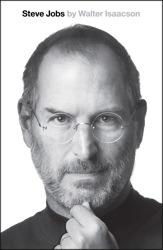 03Steve JobsWalter Isaacson
On vision, creativity, product excellence and the intersection of technology and human thinking.
Technology is powerful, but human creativity and judgment remain essential.
 04Good to GreatJim Collins
How companies build enduring success over time.
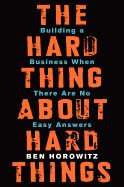 05The Hard Thing About Hard ThingsBen Horowitz
On start-ups and founder/VC dynamics.
Read the full transcript: Jireh Li on the Tsinghua-INSEAD Executive MBA
INSEAD
You're listening to In the Know, a collection of career development insights and leadership experiences from INSEAD, the business school for the world.
Yuva
Hello, everyone, and welcome back to INSEAD In the Know podcast. In this episode, Associate Director of Executive Degrees Recruiting from the Marketing and Recruitment Department, Antony Widjaja, sits down with Jireh Li, partner at INCE Capital, and an alumna of the Tsinghua-INSEAD Executive MBA Programme, otherwise known as the TIEMBA Programme, to explore China's fast-evolving innovation landscape and how the Tsinghua-INSEAD Executive MBA has shaped her journey as a global investor and leader. Enjoy the episode.
Tony
Hi, Jireh. Thank you so much for joining us today. It is such a pleasure to connect. Could you let us know what what developments in China's entrepreneurial and innovation ecosystem do you believe deserve far more global attention than they currently receive?
Jireh
I'd love to answer this in a few different perspectives in terms of the innovation, just the investment opportunity, AI, anything AI related, AI enabled. That for sure is a segment that cannot be ignored. And I think honestly, 20 years ago, when we were investing in China, we were doing kind of copy from the US. So we were replicating the Googles and the Facebooks in China. We were taking whatever business model worked in Silicon Valley and then implementing it here, and Chinese are very good at execution. But then now, with the onset of artificial intelligence, and especially in embodied robotics, we see that actually the innovation ecosystem is is is fertile. It's not just a copy from the rest of the world. It's not just an execution, but you actually see new innovative business come through. And the last few years, right? Just all the different large language models, the agents that are serving global consumers, and I think that needs to get the word out more because China can innovate. In fact, I think within our industry, we have this little phrase that says "copy from China. So it used to be "copy into China. Now it's copying a lot of the business models from China and then implementing it in the rest of the world. And we see, of course, with with TikTok by ByteDance, that's what about investments from from some time ago that that, of course, become a global company. But then we have so many more that are originated innovation from China that is actually working, serving global markets. So that's one area, but then another area that we see pushback. Of course, anything something becomes exciting, but it's biotech. And again, I have to draw the comparison because 1520 years ago, China was taking a international drug discovery, manufacturing it in China for maybe a fraction of the cost, being a really good manufacturing powerhouse. But in the last five years, statistics at this you can find on Dealformer in 2019, China. innovation and drug discovery as a percent of the global out licencing was 0% Zero. In 2025, it became 37, 38 percent, and then year to date, 2026, China is taking up over 50 percent of all the global out licencing, which means that the likes of the Pfizer's or Sanofi or AstraZeneca, they are coming to China to look for innovative drug discovery, whether it's oncology or allergy, and looking for things that they think could be interesting enough that they want to licence out and that develop on a global scale, and for me that's very exciting because underneath the surface, China of course has a lot of people right. So a lot of the clinical trials can be done faster. It is still cheaper than the rest of the world, but also you just have a lot of great scientists that, after the last 20 years of of building up and thinking about and and and having clean data from CDROs and the hospitals paying attention to this, you have this great ecosystem, and and this could be groundbreaking because a lot of the kind of rare diseases or unmet unmet diseases, unmet needs from from these very highly toxic diseases, we may be able to find solutions from from China in the next 510 years, and so that's an area I have to bring up because it is so exciting.
Tony
Thank thank you very much, Jireh. You mentioned the word innovation several times and investment. One thing I notice is that these U.S. companies, in order for them to hit 1 million users, they normally take anywhere from 345, or six years, right? But then, when you look at Chinese innovative companies like TikTok, like like WeChat, like DeepSeek, they don't take years. They take months to hit a million a million users, right? So I mean, you you have a lot of leadership roles. You have led investments, portfolio, asset management, capital formation across different industries, right? Can you perhaps let us know what specific qualities do you look for in Chinese founders today compared to 10 years ago?
Jireh
Absolutely, and I think you're right that a lot of Chinese startups. I mean, speed and efficiency and execution is just something that you have to have because it's so competitive. So if if your product, especially if it's 2c facing, it doesn't scale fast enough. It's it's going to be replaced by a very very competitive landscape. And actually, in our own portfolio and our own AI agents, when we're underwriting, we even just look on the outset for the business model, how they're going to make money, and what's the recurring revenue source because the bar is a lot higher, but then you know specifically on founders, right? So some of the qualities will stay the same. Kind of how well versed they are in whatever they do. Do they have the right execution skills? You know, mindset to build a team. I think these are all things that that you want to see no matter which era you're in. But 510 years ago, it was a lot about speed and ambition, and it was about capturing local domestic consumption. So you wanted really local entrepreneurs who understand local Chinese consumers, who know what people need, who can build, let's say, the Rodica retail, right? Be able to find teams and salespeople that can go to different provinces and cities and and have the right connections and build things out. And so it was very much of a I think a local market opportunity. It was a lot about execution, a lot about speed and agility. Fast forward to today, and and I think this is also because of where China as an as a tech powerhouse has has built into the adaptability, the global mindset, the way to think broader think of actually running running a good business, being institutional, corporate governance, social responsibility. I think these things would stand out a lot more. The difference of Chinese founders today and and 10 years ago, this crop of entrepreneurs, a they're really diehard entrepreneurs because we've been through tough times, and so if they're still doing this, they die hard. They'd love to do this, but the main difference is a lot of this next generation of entrepreneurs. If you're in AI, they're more they're what we call AI native, and they tend to be more international in perspective. They see the China as an important market. Definitely, you have a lot of tech talent here. You have great consumers here, but they also believe that Chinese companies can serve global demands, and we see that also with Temu, for instance, or Shein. And so, they are far more international, I think. Far more adaptable in that sense. They they try to understand, you know, how to do branding that will attract international consumers. And in fact, if you look at a lot of AI agents coming from China in the recent years, you see just even in the logos, you know, it's very international. It's it's all English, but then I think the other part that that we've tried to look for more is you know can these founders iterate fast enough and navigate complexity because the speed at which this AI thing is developing is just so fast, and so it's no longer thinking about you know if you're an agent, no longer just about one kick-ass product, it's you know how many more iterations can you can you propose a value that is above the large language models? Can you keep staying ahead of your competitors? And so, the founders, I think, we look for more the ability to navigate complexity, not just growth, um, also to be able to scale and and grow, I have another company example just to illustrate this, and I won't mention the name. But this founder came from Huawei and Alibaba and had been working for over 10 years in the Middle East, and alongside kind of Shein and TikTok and Temu growing, she started a logistics business, a last mile delivery business, and today she operates in over 30 countries, leveraging a lot like all the know how from China logistics because China delivery business is super competitive. She takes all of that know how, applies to all these global markets, and right now you know revenues have grown. What. 600 times since since we invested, and and it's a truly global company.
Jireh
She she has teams that have Chinese tech engineers that map out the best routes, so that when they're delivering, they're also taking into account ESG. But then local operations wise in Mexico and Brazil, it's really local teams, and I think that is just very different to you know 15 years ago when you were a founder. You were mostly thinking, well, how many provinces do I go to, right? And now you're thinking much more on a global scale. So these are some of the the differences. I think it it also raises the bar for management, for instance, for these founders because you're now managing multicultural teams, you're managing different time zones. This is very different from what they have to use to do, but that's definitely something we see more of.
Tony
Yeah, it's it's really fascinating the insights on how China business innovation landscape really evolving. You know, navigating the environment. Oh wow, it's amazing. Perhaps we can kind of switch gear a bit here. Your own leadership journey, Jireh. What is about the TIEMBA programme that really initially appealed to you?
Jireh
Absolutely. So, and this this brings up a lot of great memories. If I still remember we were discussing the application form and preparing for all of that. I, you know, for for me personally, because I work I work in a directly as a bridge between global institutional investors and Chinese entrepreneurship and and you know VCs and Ps, and so for me, I I was really looking for a programme that had that same kind of cross border international perspective, and of course, Tsinghua and INSEAD was just kind of the two perfect, I think, hubs for me. I was already living in Beijing, and then Tsinghua, of course, with the reputation, and then INSEAD adding a lot of the European and Middle East and Singapore Southeast Asia angle to this. So I think one of the things was just I was looking for a a programme that was local enough, but also allowed me to to maintain a bit of that international identity that that is important to me as an individual and as an executive, so I think that was one of the core things about the TIEMBA. And another thing would be kind of the better understanding on China. So I mentioned that I've been here what 15 plus years. I I don't consider myself to know all of China. I'm still learning so much about China every day, and of course, you know, being in this with all the engineering talent and innovation that makes a difference. But I really wanted to have a space, a safe space, and an institution like Tsinghua that is plugged in, that knows more about, you know, knows more than me about the cultural or the economic nuances, and so having that connection and perspective was really important to me because I think that sometimes, you know, for EMBA, of course, we look at the curriculum. We want to learn about, you know, organisation behaviour. We want to learn about leadership, but but also it's about the networks and the perspective. And I think that perspective is really important. That for me, the Tsinghua-INSEAD had had that combination of the global perspective, and then on another layer, I think it was just a more practical consideration. You know, I did my undergrad at Princeton in the U.S. and yes, it's a great name, but when I'm talking to VCs and PA funds in China, when I'm talking to entrepreneurs, I mean having that Tsinghua reputation, I think makes a huge difference. And then, you know, sometimes for work I travel to Europe, and then being able to say that I'm an INSEAD alum also makes a huge difference. And so it just has that very very nice balance for for what um you know somebody like myself is looking for.
Tony
Yeah, yeah. I've always been amazed with the TIEMBA cohort. Maybe a second question, right? So the question I have is: How did the diversity of your TIEMBA class, specifically your class, right, influence your perspective on building high-performing cross-cultural teams.
Jireh
This could be a longer answer because I really, I really like to work with my classmates and all the professors. And I think diversity nowadays-it's not just male, female, it's not just age, but it's particularly in the TIEMBA programme. It's it's diversity for industries, and you know most of my immediate circles, sort of people that I hang out with, they're all somewhat related to finance, right? And and and so sometimes you get so siloed. And I love that you know we had classmates that were doing. She was a CEO of a rare earth company. We had classmates that did manufacturing. Very advanced, high-end manufacturing from Germany that they were representing in building the business out in Tianjin and Beijing. We had we had people that were professors, and then we also had one or two other folks that were in finance, like myself, and then we had somebody in art, somebody in biotech, and and I think that it's sometimes when you're when you're building teams as executives, you're hiring people. You are trying to build the next phase of your company. You inevitably run into challenges, right, or questions that you want to have have like-minded folks that you can discuss with. And sometimes it's very difficult to bring these questions up internally because maybe they you don't want to offend somebody or maybe you're just brainstorming, and so what I found so helpful was being able to talk to the classmates with with no worry, and I could just be so open and candid and and ask for advice. And it's interesting, right? Because you you don't intuitively think that oh, somebody in operations or manufacturing could could know anything about finance, but it's actually about dealing with people and about building forms and communication. And so sometimes my classmates would share, well, this is what happened and this is how they solved things, and it was just that back and forth, right? The discussion, and then hearing, oh, there are different perspectives, and realising that maybe your own perspective is just one of the many solutions, the many different ways of approaching a problem, and so I think that that is one part of the diversity. And of course, it made for you know it's eye opening. You get to see what's beyond your immediate industry. I think that was really fun. But then, if I have to kind of move a step forward because I think it it's not just the um in my case we we also had a range of experiences. So I was probably relatively younger side when I when I joined the TIEMBA programme. It was great because you could ask your friends who were CEOs and they were managing like 20,000 people, and you know my teams were always like less than 10 people, and so you're like, wow, how do you manage 20,000 people and stay sane? And so you you learn so much just from different roles, and there were other classmates who also were were working kind of with international firms, like they had international teams, and so we were exchanging thoughts on kind of cultural nuances for American teams, British teams, German teams, and I think that really helps add perspective in your day-to-day role as you, whatever we do. And and I although there's a lot of talk about you know incorporating AI in businesses, I think at the end of the day, you're working with people, and you need to have as a leader the more versatile you can be, the more you can work with different people and motivate them, and also you know get the firm moving towards the objective. I think that's just a very important skill that that I really learned from my classmates. But then beyond that too, I think one one of the other things that that I truly appreciated the way the TIEMBA programme is put together, and this is only something you realise after you graduate during you know class time when focusing on class and projects after I graduated, and and often I I sometimes get the question from prospects asking for how's the networking.
Speaker 1
Yeah,
Jireh
you know I we still talk we still talk in the WeChat groups and the WhatsApp groups, and we still ask each other questions. Whether it's work, sometimes it's oh maybe a friend and family have this. Sometimes we just want to get together and go on vacation together, and and you know that continuation of perspectives of of advice that I can get you know that just that's just tremendous. After I graduated, I was also going through you know some career decisions and wondering what to do, and I actually just asked in the group chat. I said, "Hey, do you guys remember that the France module? What we had about that negotiation session? Does anybody have any notes? And I had like three classmates send me the notes that they had from like five years ago. I had our Greece classmate say, "Do you want to get on the phone call? We can just do a a mock, you know, discussion, and then you can kind of pan out their thoughts, and that's just something like you. Where else do you find that? You know, you can't know that within your company. Maybe sometimes not even with your family. So I think that diversity just continues. You know, and I'm what now. I think we are almost 2019, so what, six, seven years out, but still really, really close to the classmates, and I. I think it's just an integral part of my life right now.
Tony
Yeah, yeah. There are a couple of things that I noted from there. First thing is, you don't have to always learn from folks within your industry, even if the case is about investing, right? I mean, someone else from outside the industry can really. Give you a perspective that you never thought existed. So actually, I I want to ask this question because I often get asked by prospective applicants if if I were to ask an alumnus if they you know to turn back the clock, would they still have gone to TIEMBA, or would they have done something differently? And to reflect upon that journey, what they would have done differently, or or what they they they would have better, how they would have better prepared for the journey, and also what is the really in the most enduring value of that TIEMBA experience for the alumni, like
Jireh
just to kind of step out and then see things differently. And yes, you still have to do your work. And I won't lie, the way like for the year and a half, you know, I was working a lot. I was waking up earlier. I was sleeping later. I was very fortunate that my family was supportive. It's a lot of work, and you try to make things. You know, you make time for the things that are important to you, and and you you know have good communication with your employer. And I think you know as part of that, because you do your 360 with the leadership development programme, I actually think maybe your employer would also be very happy for you because you are investing in your own growth. So that's why I would encourage them not to focus too much on oh I you know I can't get away from the office and think more about where do you want to be in the next 510 years what is the value that you can bring to yourself and to your company by going through this programme.
Tony
Yeah, true. Thank you so much for the insights. Thank you for the advice.
Jireh
Thanks, Tony.
Yuva
If today's episode has sparked your curiosity about the Tsinghua-INSEAD Executive MBA programme, head over to insead.edu/tiemba to learn more and take the next step in your leadership journey. Thank you for listening to this episode of INSEAD In the Know podcast, and I look forward to seeing you in the next one.
Listen to other podcasts in this In The Know playlist.

If you would like to discuss your profile and TIEMBA application in more detail, please do not hesitate to get in touch with us.
Contact Us